Field Trip Sandhills Lodge Farm
Field Trip to Sandhills Lodge Farm – 6 May 2026
The visit to Sandhills Lodge Farm was again made with a specific purpose in mind. The May 2026 visit to Garendon Park was organised for the Club to work collaboratively with Friends of Garendon Park, and the visit to Sandhills Lodge Farm was arranged to collaborate with the Corridor Club member Carl, who owns and manages the land sensitively and primarily for wildlife. We were there at the request of Nathalie Cossa who is undertaking a project on behalf of the Leicestershire and Rutland Wildlife Trust (LRWT) to study the wildlife of a variety of estates in Charnwood Forest for their wildlife. The owners or managers of these estates have linked together, led by Kim Turner of Poultney Farm, to form the Corridor Club, the members all managing their land with wildlife in mind. Both of these field trips have given LNC an opportunity to visit and record on private land. Our July 2026 field trip will in fact be to Poultney Farm and give Members another chance to explore land not usually open to the public, and to record for the Corridor Club.
Sandhills Lodge Farm was acquired by the present owner in 2015 with a view to ‘re-wilding’ much of the land but keeping a range of habitats in order to encourage as much diversity of wildlife as possible. There are two SSSI sites, ancient wet woodland, National Forest woodland, and approximately 100 acres of grassland. The Bradgate Brook runs through the property to join up with the River Lin.
Many of our Club Members have been very actively involved with this land since 2015, not directly through LNC, but by being members of LRWT. Members have been involved in grassland, woodland, and hedgerow surveys, and also involved in regular bird and butterfly transects plus moth trapping.
On this occasion, as this was the first visit for most of the attendees, the field trip was planned to explore part of one of the fields by the parking area and the new pond that it contains, the track leading to Stinking Wood, Stinking Wood itself with its more established pond, and the brook running through it. Whilst waiting for Members to don their boots and pick up their bags, other Members got a head start by exploring the stone walls next to the parking area. There are countless other routes that we could have taken and hopefully will do so in future, accessing a different range of habitats. It would also be good to revisit later in the year. Although this was a May visit, we were unlucky that there was very little sunshine so we did not see the numbers of flying insects that sunnier weather might have brought out.
So how did we approach this? Several Members, Graham Finch, Mike Higgott, Phil Lee, Steve Woodward and Jenny Brown made their own lists and many photographs were supplied. The rest of the group, ten of us, acted collectively passing their observations to Helen Beardsworth who had a very busy morning writing the list especially as names were being called out sometimes in English and other times in Scientific Latin! (Helen’s main nature interest is birds!) Thanks enormously Helen. In addition, Jan Croft and Wendy Lee sent photos. Steve and Graham also contributed to that list as well as providing their own. Helen’s list was 140 records. Once I received all the records from Members I combined them into one spreadsheet totally 446 records, but many records were sometimes made of the same species both at the same site or at a different one, so I then made a spreadsheet with just one record per species giving us 224 species for the day.
I will be sending Nathalie all the raw data, as submitted to me, so she will be able to see grid references for the records and description of the location. Records consist of adults, larvae, mines, galls, and evidence.
The tables below summarize the range of taxa recorded on the day.
For Groups with just one taxon, I have entered that in the first table; for groups with more than one taxon see the tables below.
| Groups | No. of Species | Name | Comments |
| Algae | 1 | Trentepohlia | |
| Amphibians | 1 | Common Frog | Adult |
| Bees | 3 | ||
| Beetles | 3 | ||
| Birds | 18 | ||
| Bugs | 5 | ||
| Butterflies | 6 | ||
| Dragonflies | 1 | Large Red Damselfly | |
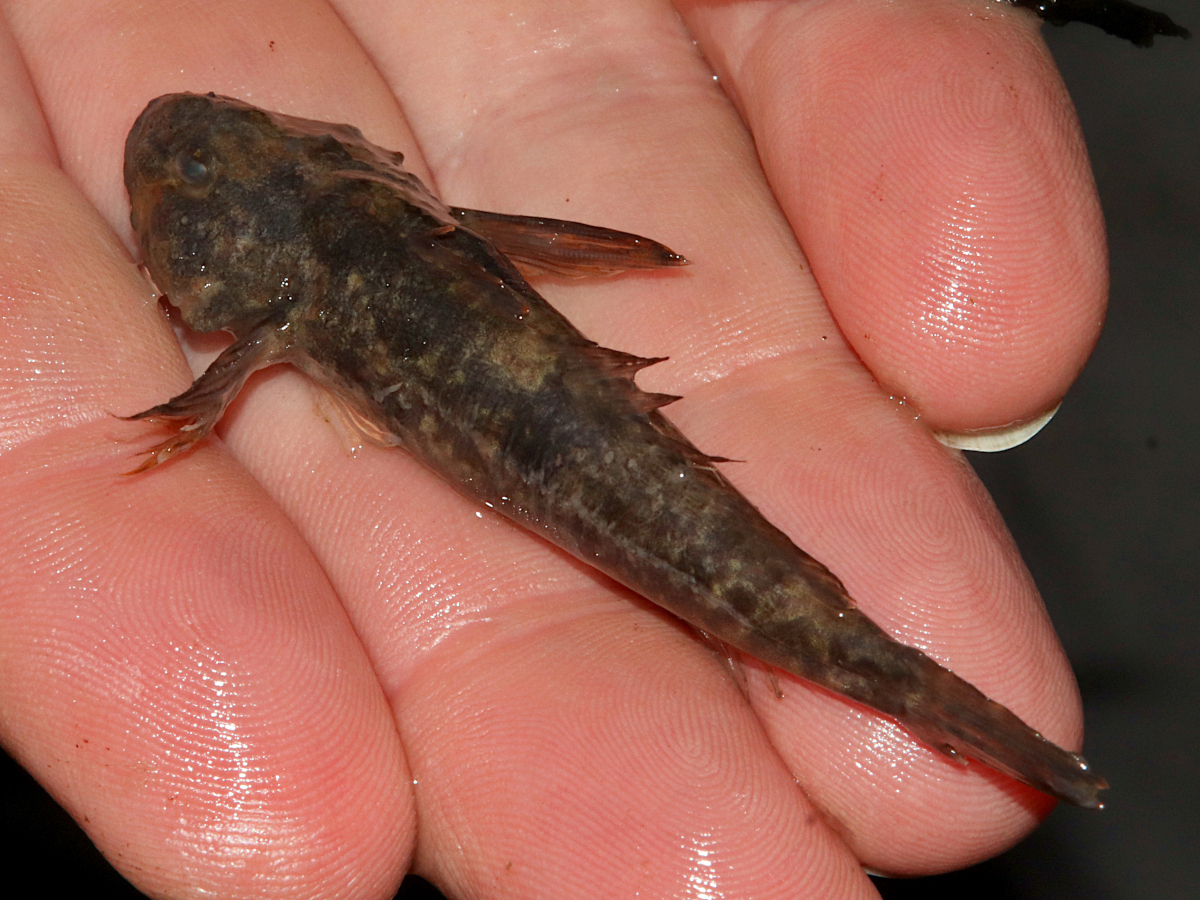
| Fish | 1 | Bullhead | Dead in the stream, An Indicator Species for Leicestershire, Leicester & Rutland Local Nature Recovery Strategy. |
| Flies | 11 | ||
| Fungi | 13 | ||
| Harvestmen | 1 | Rilaena triangularis | Sometimes called the Spring Harvestman as it is usually the only adult harvestman to be found at this time of year. |
| Hoverflies | 4 | ||
| Mammals | 3 | ||
| Mites | 4 | ||
| Moths | 23 | ||
| Sawflies | 1 | Hemichroa crocea | Adult. Largely parthenogenic, males are rarely seen |
| Snails | 1 | Lauria cylindracea Common Chrysalis Snails (3) | On the wall by the cars. Common but tiny 3-4 mm and need keying out as there are several similar looking |
| Spiders | 3 | ||
| Vascular Plants | 118 | ||
| Wasps | 3 |
Bees
| Buff-tailed Bumblebee | Bombus terrestris |
| Common Carder Bumblebee | Bombus pascuorum |
| Nomad Bee | Nomada species are cuckoo bees, laying their eggs in the nests of other species – usually Andrena bees. |
Beetles: 30 species were recorded altogether.
Graham Finch Records:
309 individuals of 25 species, some in more than one area.
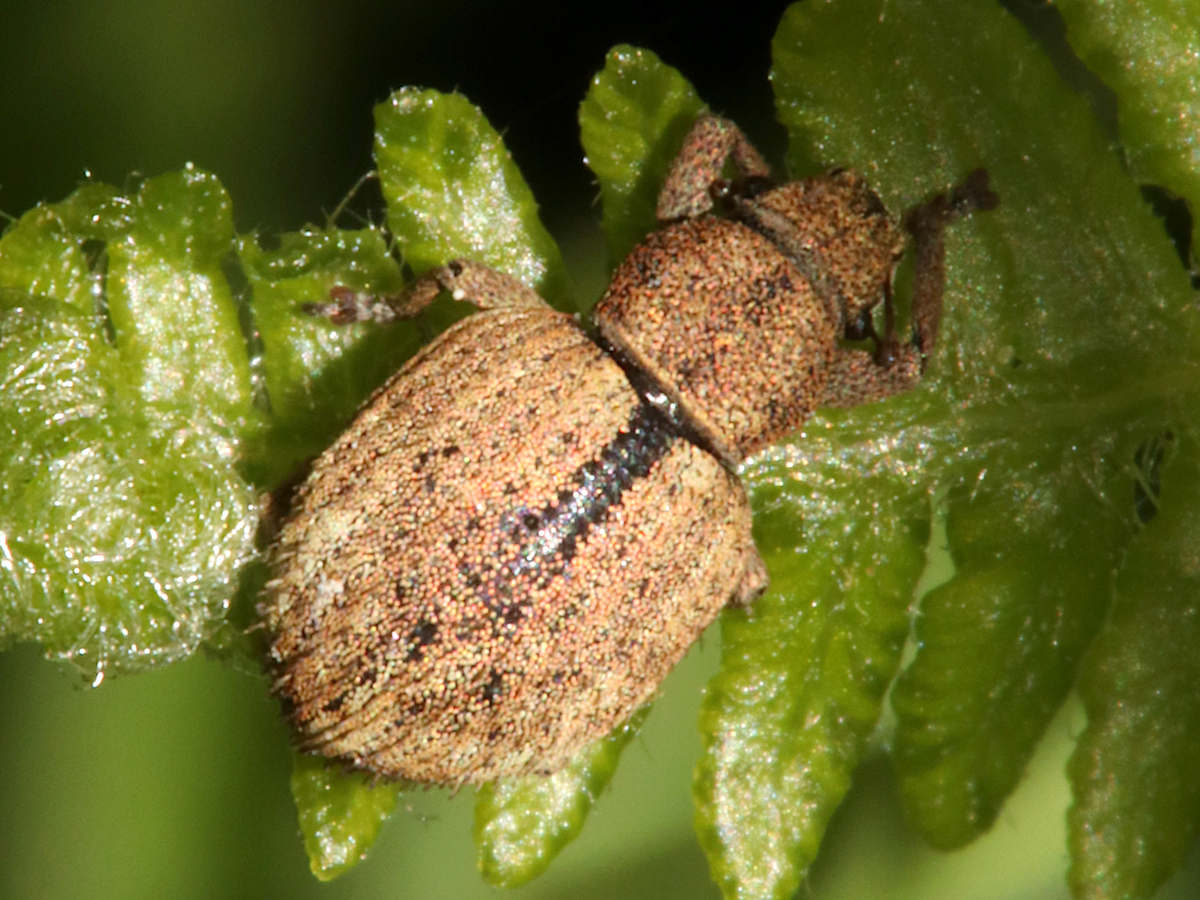
Ceutorhynchus typhae: tiny weevils were swept off Garlic Mustard throughout
Plateumaris sericea: was netted from the reeds around the pond
| Phyllotreta undulata | Adult | 5 | Swept from low vegetation | |
| Ceutorhynchus typhae | Adult | 6 | Off Garlic Mustard | |
| Byturus ochraceus | Adult | 10 | Swept from low vegetation | |
| Byturus tomentosus | Raspberry Beetle | Adult | 4 | Swept from low vegetation |
| Agriotes pallidulus | Adult | 20 | Swept from low vegetation | |
| Athous haemorrhoidalis | Adult | 4 | Swept from low vegetation | |
| Meligethes aeneus | Common Pollen Beetle | Adult | 5 | Swept from low vegetation |
| Propylea quattuordecimpunctata | 14-spot Ladybird | Adult | 2 | Swept from low vegetation |
| Anaspis frontalis | Adult | 5 | Off Rowan blossom | |
| Phyllobius roboretanus | Small Green Nettle Weevil | Adult | 8 | Swept from low vegetation |
| Meligethes atratus | Adult | 3 | Off Garlic Mustard | |
| Coccinella septempunctata | 7-spot Ladybird | Adult | 5 | Swept from low vegetation |
| Anaspis maculata | Adult | 20 | off various blossom and flowers | |
| Nedyus quadrimaculatus | Small Nettle Weevil | Adult | 8 | Off Nettle |
| Phyllobius pyri | Common Leaf Weevil | Adult | 3 | Beat from low branches |
| Plateumaris sericea | Adult | 1 | Swept from reeds at the edge of pond | |
| Kateretes pusillus | Adult | 6 | Swept from reeds at the edge of pond | |
| Phyllotreta undulata | Adult | 3 | Swept from low vegetation | |
| Hydroporus pubescens | Adult | 4 | ||
| Rhyzobius litura | Adult | 3 | Swept from low vegetation | |
| Coccinella septempunctata | 7-spot Ladybird | Adult | 4 | Swept from low vegetation |
| Propylea quattuordecimpunctata | 14-spot Ladybird | Adult | 2 | Swept from low vegetation |
| Mecinus pascuorum | Adult | 100 | Beat off Ribwort Plantain | |
| Meligethes aeneus | Common Pollen Beetle | Adult | 20 | Swept from low vegetation |
| Hygrotus inaequalis | Adult | 2 | Pond netted | |
| Meligethes atratus | Adult | 2 | Swept from low vegetation | |
| Anaspis frontalis | Adult | 2 | Swept from low vegetation | |
| Psylliodes affinis | Adult | 1 | Swept from low vegetation | |
| Trichosirocalus troglodytes | Adult | 20 | Beat off Ribwort Plantain | |
| Nedyus quadrimaculatus | Small Nettle Weevil | Adult | 5 | Off Nettle |
| Agelastica alni | Adult | 8 | Off Alder | |
| Noterus crassicornis | The Smaller Noterus | Adult | 3 | Pond netted |
| Ceutorhynchus typhae | Adult | 3 | Off Garlic Mustard | |
| Anaspis maculata | Adult | 12 | Off various blossom and flowers |
Five species of Beetles were recorded in addition to Graham’s by other Members. A record of Green Dock Beetle eggs was also made.
| Aphidecta obliterata | Larch Ladybird | adult | |
| Gastrophysa viridula | Green Dock Beetle | adult | |
| Gastrophysa viridula | Green Dock Beetle | eggs | |
| Grammoptera ruficornis | a small longhorn beetle | adult | |
| Harmonia axyridis | Harlequin Ladybird | adult | |
| Strophosoma melanogrammum | a Weevil | adult | 13 records on NatureSpot |
Birds: 18 species, seen or heard:
Blackcap, Blue Tit, Buzzard, Carrion Crow, Chiffchaff, Coal Tit, Garden Warbler, Goldcrest, Great Tit, Long-Tailed Tit, Nuthatch, Pheasant, Raven, Robin, Song Thrush, Swallow, Woodpigeon and Wren.
Bugs: five species
| Harpocera thoracica | a Mirid Bug | Associated with oak trees |
| Elasmostethus interstinctus | Birch Shieldbug | |
| Coreus marginatus | Dock Bug | |
| Dolycoris baccarum | Hairy Shieldbug | |
| Cercopis vulnerata | Red-and-black Froghopper |
Butterflies: six species
| Green-veined White | adult |
| Holly Blue | adult |
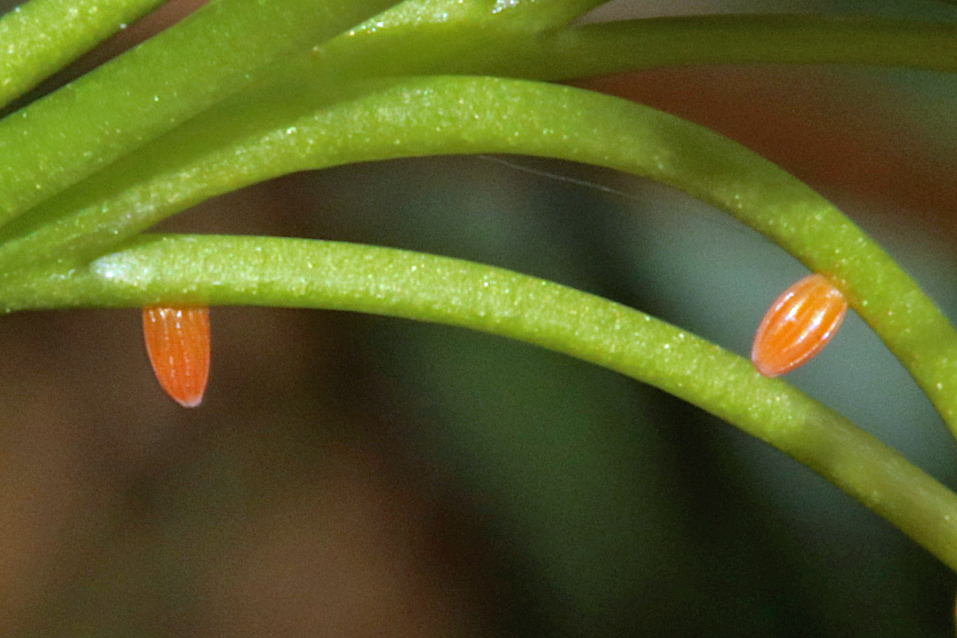
| Orange-tip | eggs on Cardamine pratensis |
| Painted Lady | adult |
| Small White | adult |
| Speckled Wood | adult |
Flies: 11 species
| Beris chalybata | Murky-legged Black Legionnaire (a Soldier Fly) | adult |
| Bibio marci | St Mark’s Fly | adult |
| Chromatomyia aprilina | a Honeysuckle leaf miner | leaf mine |
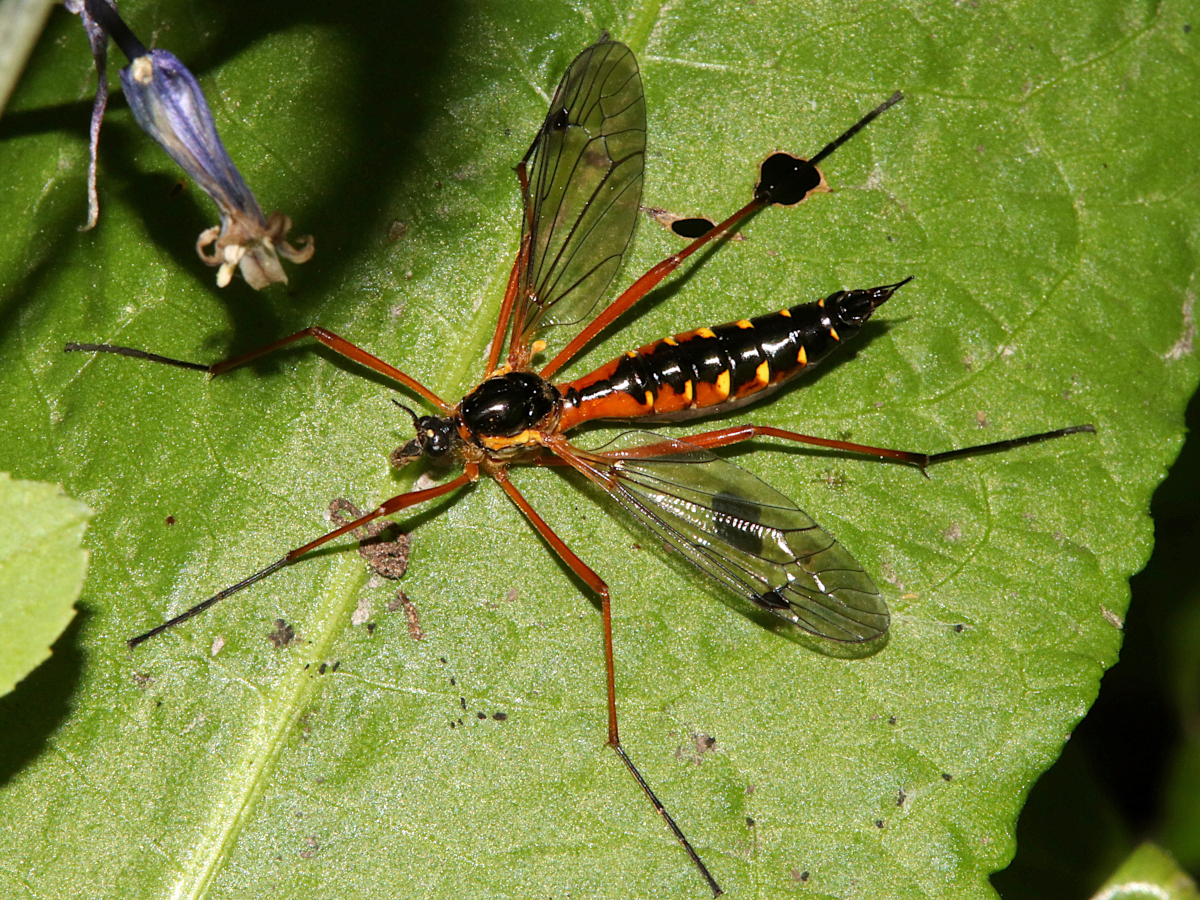
| Ctenophora pectinicornis | a long-palped cranefly: Orange-sided Comb-horn. Only 10 records on NatureSpot | adult |
| Empis tessellata | a large dagger fly | adult |
| Limonia phragmitidis | a limonid crane fly | adult |
| Phytomyza ilicis | Holly Leaf Miner | Leaf mine |
| Rhagio tringarius | a Snipe fly | adult |
| Scathophaga stercoraria | Yellow Dung Fly | adult |
| Tipula oleracea | a Cranefly | adult |
| Urophora cardui | Thistle Gall Fly | gall |
Fungi: 13 species
| Puccinia sessilis | Arum Rust | |
| Piptoporus betulinus | Birch polypore | |
| Hypoxylon multiforme | Birch woodwart | |
| Daedaleopsis confragosa | Blushing bracket | |
| Rhopographus Filicinus | Bracken Map | |
| Peronospora ficariae | Downy mildew | On Lesser Celandine Ficaria verna |
| Hypoxylon fuscum | Hazel Woodwart | |
| Armillaria sp | Honey Fungus | Only bootlaces or rhizomorphs were seen on decaying fallen tree trunk – so not possible to ID to species |
| Fomes formentarius | Hoof fungus | |
| Auricularia auricula-judae | Jelly Ear Fungus | On Alder |
| Puccinia urticata | Nettle Rust Fungus | |
| Entyloma ficariae | Smut Fungus | On Lesser Celandine Ficaria verna |
| Exidia glandulosa | Witches butter |
Hoverflies: four species
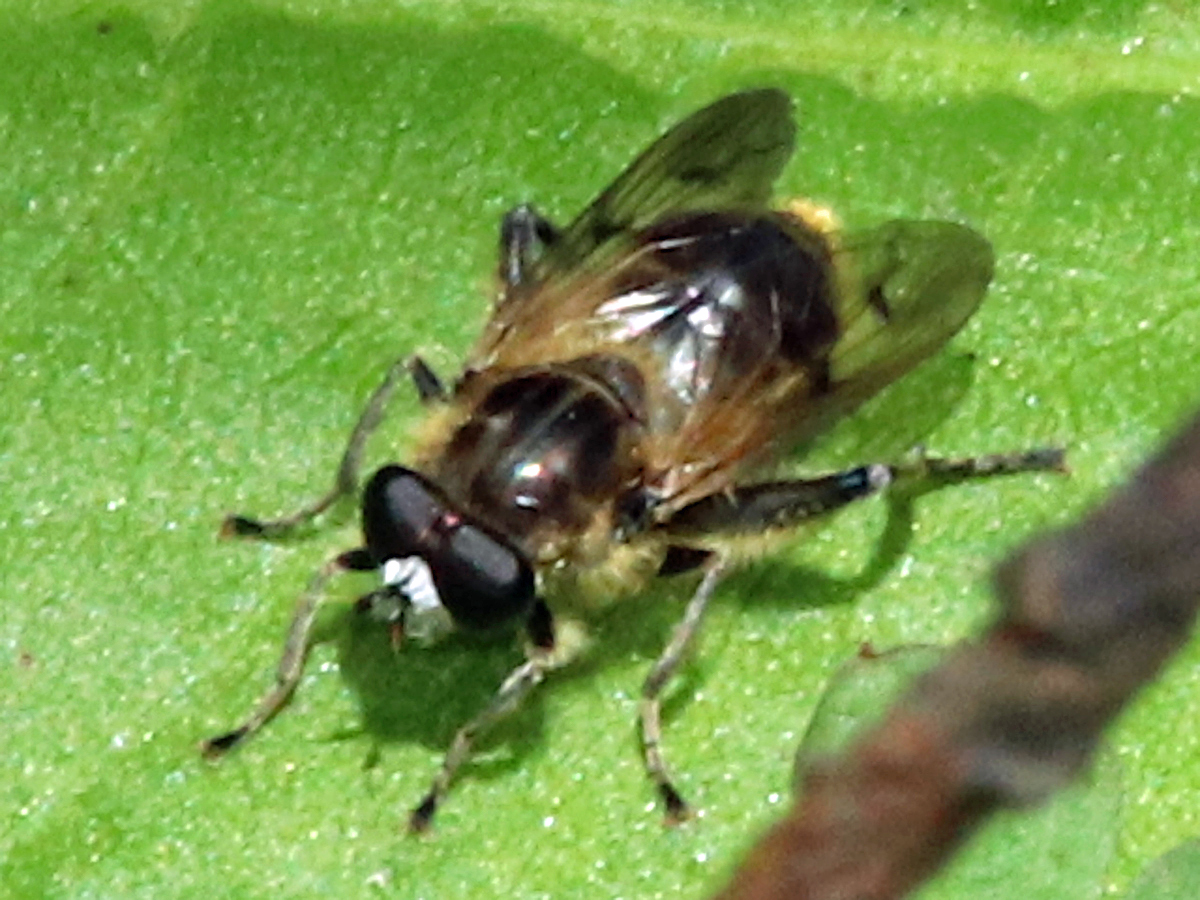
| Chalcosyrphus eunotus | Logjammer Hoverfly | The larvae develop in partially submerged fallen logs and branches in streams, especially where log jams have formed. This is nearly always in wooded streams with dappled sunlight and lush streamside vegetation. Just 2nd record on NatureSpot. |
| Cheilosia albitarsis/ranunculi agg. | a hoverfly | Cheilosia albitarsis and Cheilosia ranunculi are very similar and can often only be safely determined by detailed examination. These species are often found in damp meadows, marshy areas, woodland clearings or well-shaded verges and are associated with buttercup. |
| Leucozona lucorum | a hoverfly | An Indicator Species for Leicestershire, Leicester & Rutland Local Nature Recovery Strategy. |
| Melanostoma scalare | Chequered Hoverfly |
Mammals: three species
| Badger | Evidence of latrines |
| Bank Vole | adult |
| Mole | evidence – molehills |
Mites: four species
All four mite records were of Plant Gall causing mites:
| Phytoptus avellanae | Hazel Big Bud | gall on Hazel |
| Eriophyes laevis | an Alder mite gall causer | gall Alder |
| Eriophyes similis | a Blackthorn mite gall causer also called Eriophyes prunispinosa | gall on Blackthorn |
| Eriophyes tiliae | Lime Nail Gall | gall on Lime |
Moths: total 23 species
Graham Finch’s moth information and results: 16 Species
Grapholita jungiella: were flying in the meadow when the sun came out
Micropterix aruncella: I netted a couple in the meadow
Incurvaria masculella: just a singleton netted in the meadow
Elachista argentella: again a singleton netted in the meadow
Glyphipterix fusciviridella: in Stinking Wood, I assume they were off the Luzula
| Micropterix aruncella | a moth | Adult | 2 | |
| Incurvaria masculella | a moth | Adult | 1 | |
| Limnaecia phragmitella | a moth | Larval spinning | 20 | On Typha |
| Elachista argentella | a moth | Adult | 1 | |
| Grapholita jungiella | Vetch Piercer | Adult | 5 | |
| Pyrausta purpuralis | a moth | Adult | 1 | |
| Micropterix calthella | Plain Gold or Plain Pollen-moth | Adult | 80 | |
| Stigmella aurella | a moth | Mine (vacated) | 5 | On Bramble |
| Adela reaumurella | Green Long-Horn | Adult (males and females) | 18 | |
| Psyche casta | a moth (bagworm) | Case | 1 | |
| Glyphipterix fuscoviridella | a moth | Adult | 2 | |
| Esperia sulphurella | a moth | Adult | 1 | |
| Coleophora serratella | a moth | Case | 2 | |
| Pyrausta purpuralis | a moth | Adult | 3 | |
| Operophtera brumata | Winter Moth | Larva | 20 | On Birch |
| Alsophila aescularia | March Moth | Larva | 3 | On Lime |
| Erannis defoliaria | Mottled Umber | Larva | 5 | On Hazel |
Moths: seven species were found in addition to Graham’s finds:
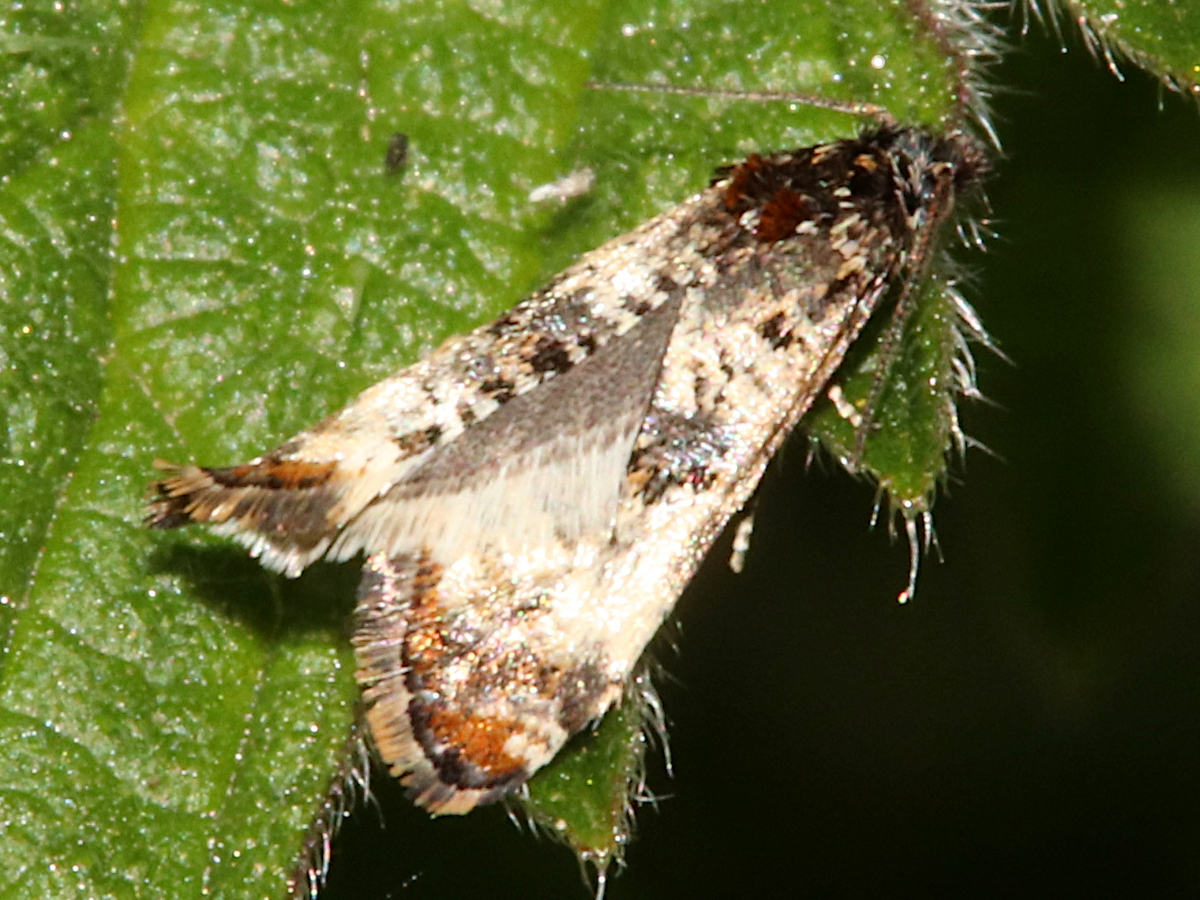
| Hysterophora maculosana | Small Bluebell Beauty or Bluebell Conch Larvae feeding inside the seed capsules of bluebell. (5 records on NatureSpot) | adult |
| Bactra lancealana | Common Lance or Rush Marble | adult |
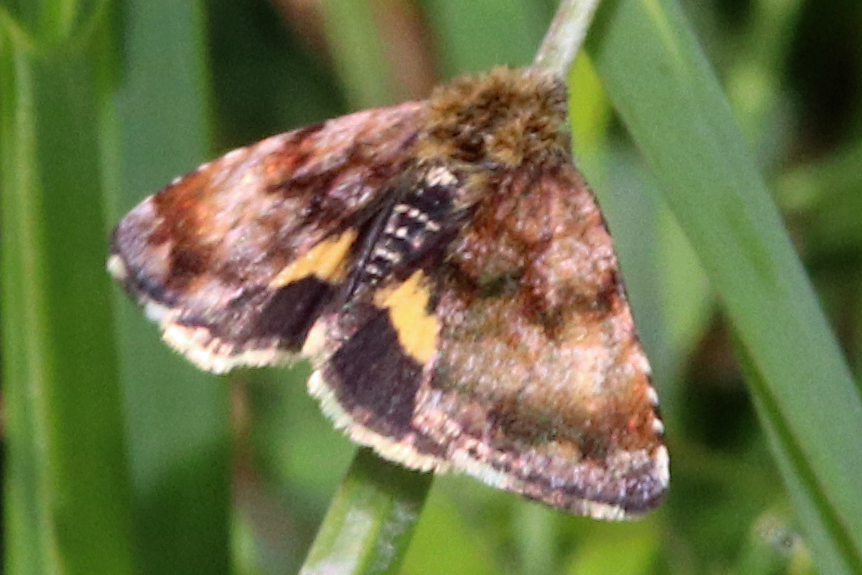
| a moth | Drinker Moth | larva |
| a moth | Flame Shoulder | adult |
| a moth | November Moth | larva |
| a moth | Silver Y Moth | adult |
| a moth | Small Yellow Underwing | adult |
Spiders: three species
| Enoplognatha ovata s.l. | Common Candy-striped Spider sensu lato |
| Pisaura mirabilis | Nursery Web Spider |
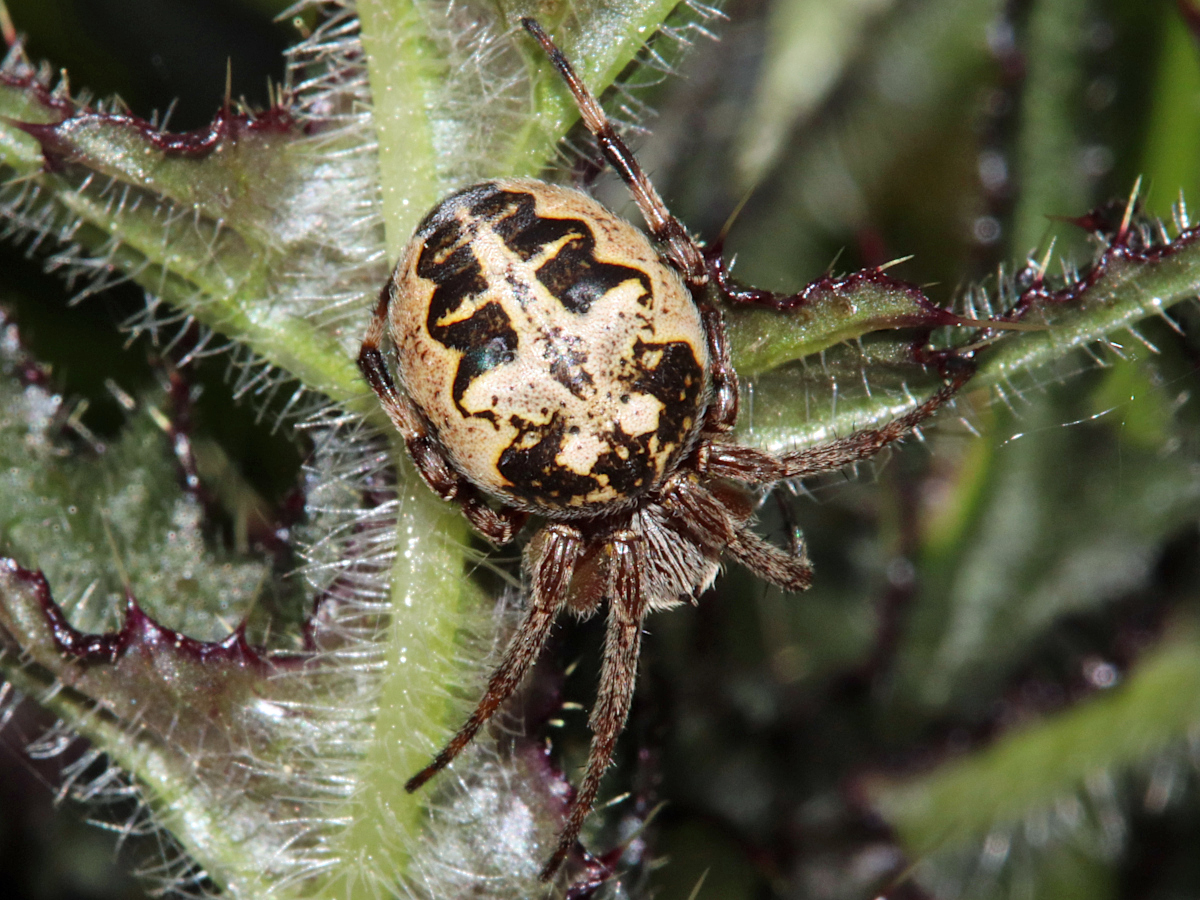
| Larinioides cornutus | an Orb-Weave Spider |
Vascular Plants: 118 species
A large list of 118 plants was made collaboratively.
| 1. Alder | 40. Field Maple | 80. Pedunculate Oak |
| 2. Angelica | 41. Field Rose | 81. Polypody Agg. Polypodium vulgare agg. |
| 3. Ash | 42. Forget-Me-Not | 82. Prickly Sow-thistle |
| 4. Bamboo | 43. Foxglove | 83. Purple Toadflax |
| 5. Barren Strawberry | 44. Garlic Mustard | 84. Ramsons |
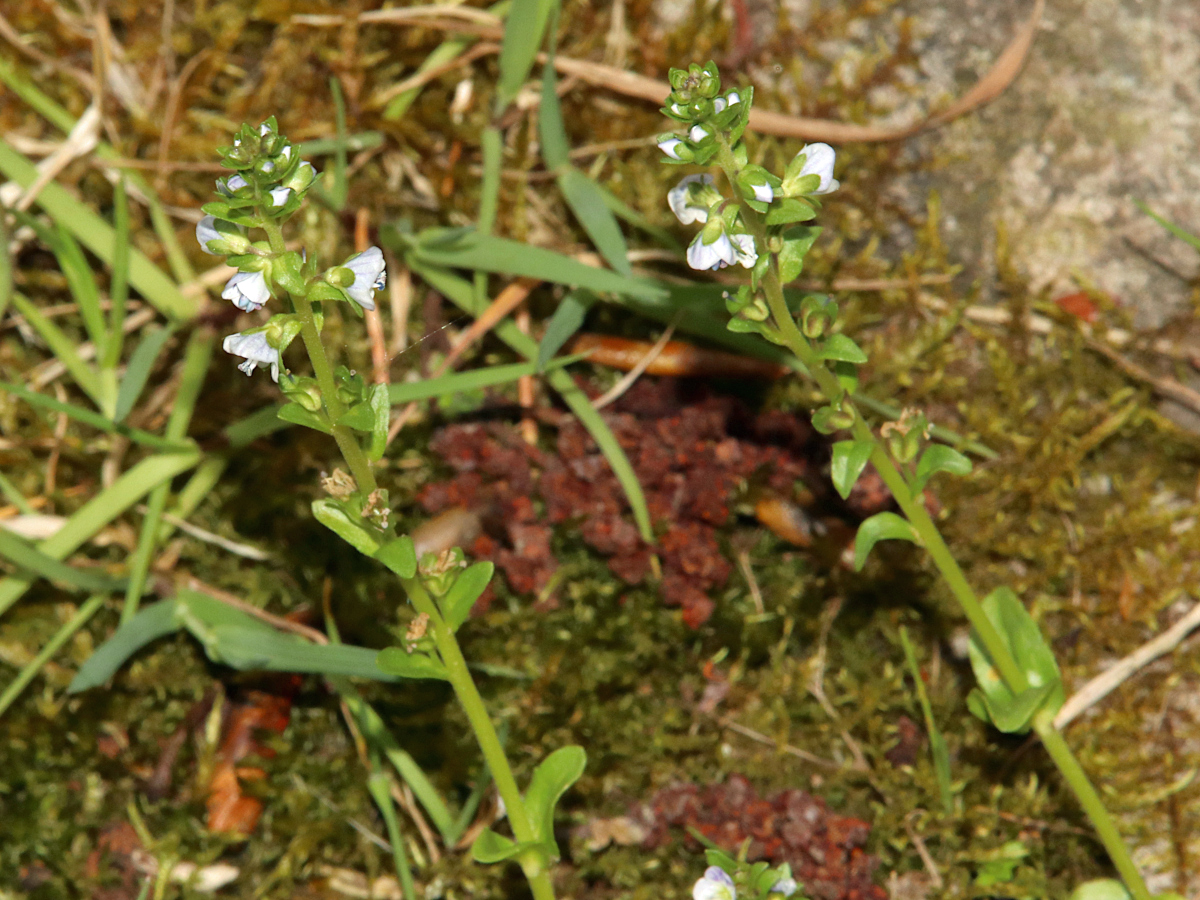
| 6. Beech | 45. Germander Speedwell | 85. Raspberry |
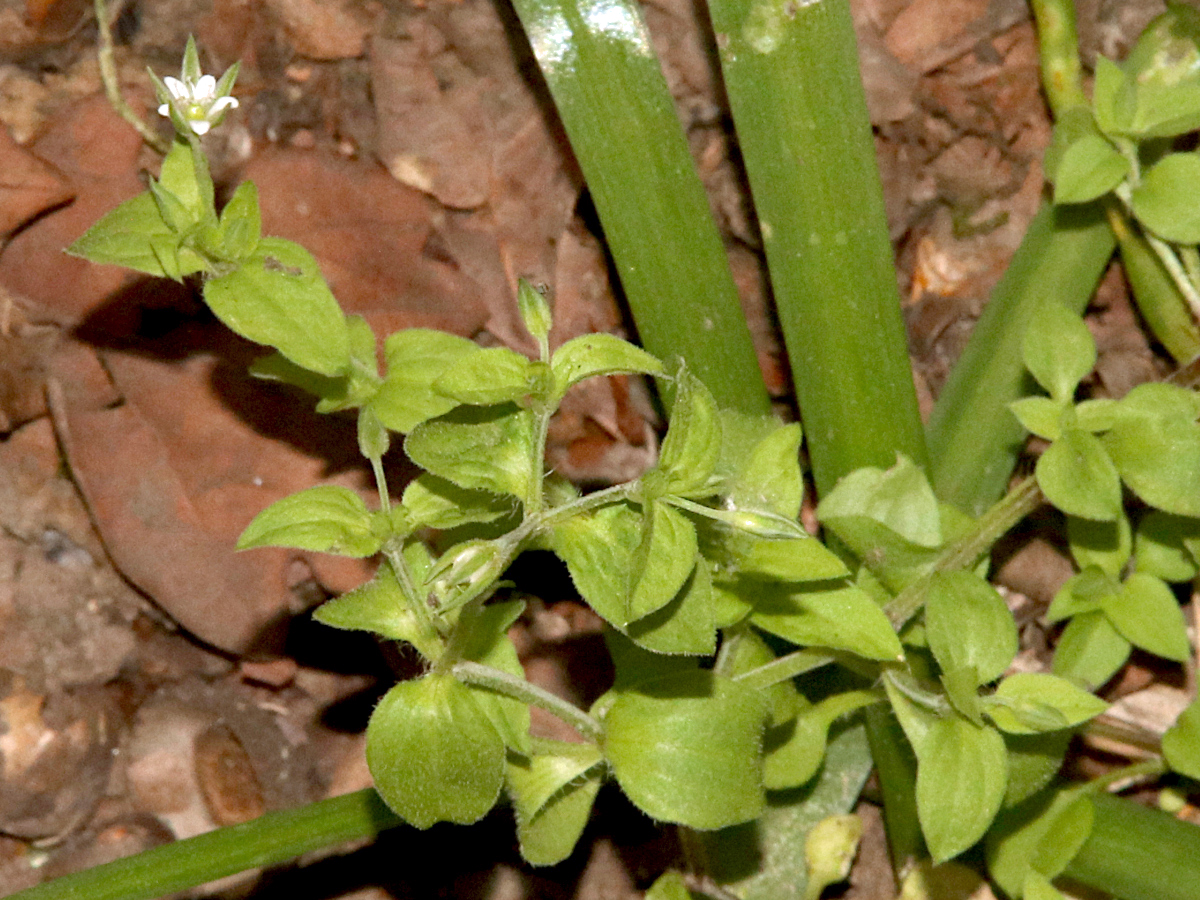
| 7. Bluebell | 46. Goosegrass | 86. Red Campion |
| 8. Bog Stitchwort | 47. Great Willowherb Epilobium hirsutum | 87. Red Clover |
| 9. Bracken | 48. Greater Duckweed Spirodela polyrhiza | 88. Red Fescue agg. Festuca rubra |
| 10. Bramble agg. | 49. Greater Plantain | 89. Reed Canary-Grass Phalaris arundinacea |
| 11. Broad Buckler Fern | 50. Greater Stitchwort | 90. Remote Sedge |
| 12. Broad-leaved Pondweed Potamogeton natans | 51. Greater Tussock Sedge Carex paniculata | 91. Rhododendron |
| 13. Broad-leaved Dock Rumex obtusifolius | 52. Greater Willowherb | 92. Ribwort Plantain |
| 14. Bugle | 53. Guelder-rose | 93. Rowan |
| 15. Bulbous Buttercup | 54. Hairy Birch | 94. Scaly Male Fern |
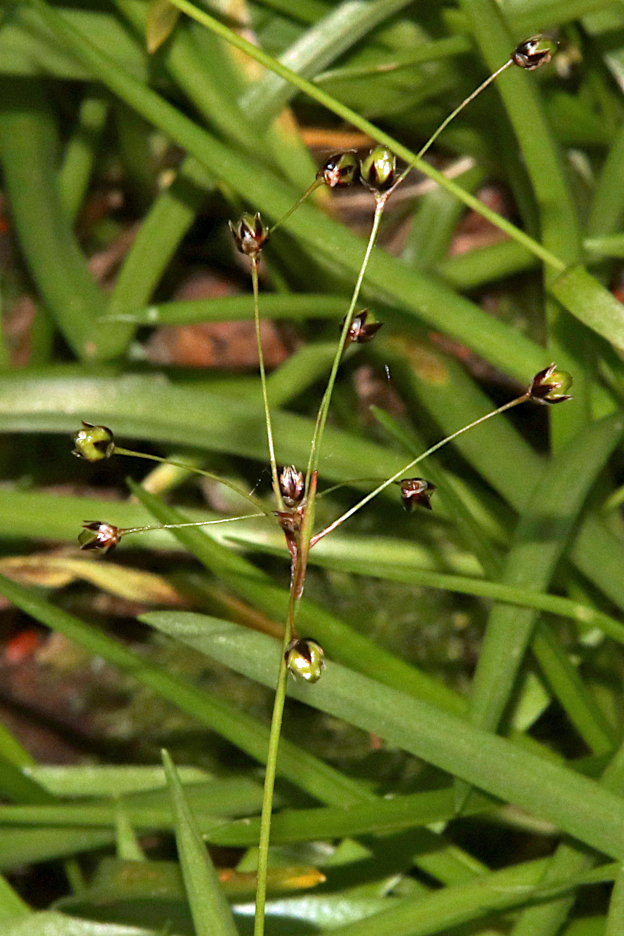
| 16. Bulrush | 55. Hairy Woodrush | 95. Shield Fern sp. |
| 17. Burdock Agg. | 56. Hairy-brome Bromopsis ramosa | 96. Shining Cranesbill |
| 18. Canadian Black Poplar / Hybrid Black-Poplar Populus nigra x deltoides = P. x canadensis | 57. Hard Rush | 97. Silverweed |
| 19. Celandine | 58. Hart’s-tongue Fern | 98. Soft-Rush |
| 20. Chickweed | 59. Hawthorn | 99. Sweet Chestnut |
| 21. Cleavers | 60. Hazel | 100. Sweet Vernal Grass |
| 22. Common Bird’s-foot Trefoil | 61. Hedge Woundwort | 101. Thale Cress |
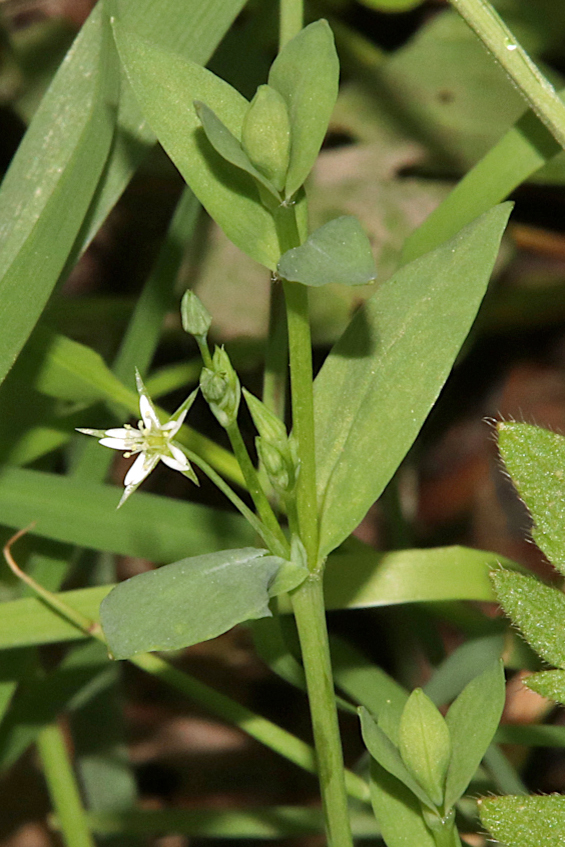
| 23. Common Chickweed | 62. Hemp Nettle Agg. | 102. Three-nerved Sandwort |
| 24. Common Duckweed | 63. Herb Robert | 103. Thyme-leaved Speedwell |
| 25. Common Figwort Scrophularia nodosa | 64. Hogweed | 104. Tufted Hair Grass |
| 26. Common Hemp-nettle | 65. Holly | 105. Tufted Sedge |
| 27. Common Mouse Ear | 66. Honeysuckle | 106. Wild Angelica |
| 28. Common Nettle | 67. Hop Humulus lupulus | 107. Wild Garlic |
| 29. Cowslip | 68. Horse Chestnut | 108. Wood Anemone |
| 30. Creeping Buttercup | 69. Ivy | 109. Wood Avens Geum urbanum |
| 31. Creeping Soft-Grass Holcus mollis | 70. Jack-By-The Hedge | 110. Wood Dog Violet |
| 32. Creeping Thistle | 71. Lady Fern | 111. Wood Melick |
| 33. Cuckoo Flower Cardamine pratensis | 72. Lesser Celandine | 112. Wood Millet |
| 34. Daisy | 73. Lesser Pond-sedge Carex acutiformis | 113. Wood Sage |
| 35. Dandelion | 74. Lesser Trefoil –Trifolium dubium | 114. Wood-sedge Carex sylvatica |
| 36. Dog’s Mercury | 75. Lime | 115. Wood Sorrel Oxalis acetosella |
| 37. Elder | 76. Lords-and-Ladies Arum maculatum | 116. Wood Speedwell |
| 38. Enchanter’s-nightshade | 77. Marsh Thistle | 117. Yellow Archangel |
| 39. Field Horsetail Equisetum arvense | 78. Meadow Buttercup | 118. Yellow Pimpernel |
| 79. Meadowsweet |
Steve Woodward emphasised these records as particularly interesting:
| Spirodela polyrhiza | Greater Duckweed | At the pond in stinking wood | a new tetrad record | Not often recorded in VC55. |
| Humulus lupulus | Hop | In Stinking Wood (found by Toby Manning) | a new tetrad record | Need to check for the Agromyzid Fly Mine that is specific to it later in the year. |
| Luzula pilosa | Hairy Woodrush | In Stinking wood | There are previous records from this tetrad | Not often recorded in VC55. |
| Luzula pilosa | Hairy Woodrush | On track back through wood | There are previous records from this tetrad | Not often recorded in VC55. |
| Carex paniculata | Great Tussock Sedge | At pond in Stinking wood | It has been recorded near here but more than 50 years ago |
Wasps: three species of plant galling wasps on Oak
| Andricus kollari f. agamic | Marble Gall |
| Biorhiza pallida | Oak Apple |
| Neuroterus quercusbaccarum f. sexual | Oak Currant Gall |
Recording
- The purpose of LNC Field Trips is to make permanent records, and for us all to share our knowledge with each other thus learning and to have a good time.
- Records made by Graham and Steve will be made permanent in their customary ways, to LRERC, the Leicestershire and Rutland Environmental Records Centre.
- Mike Higgot customarily posts his records on NatureSpot from where they will find their way to LRERC.
- Records on NatureSpot for Sandhills Lodge can be viewed by googling “Sandhills Lodge NatureSpot”. The site is a private site and not searchable through NatureSpot.
- Everything on Helen’s list that I saw, and not recorded by Graham, Steve or Mike, I will post on NatureSpot.
- I am hopeful that all the data will eventually this way arrive at LRERC, but not all of it will be on NatureSpot.
- For any future visits I would probably suggest in advance that the excursion is divided into sensible sections with a central six-figure grid reference that we can all agree on and make the results easier to coordinate!
Conclusion
Loughborough Naturalists’ Club Members spent a thoroughly enjoyable morning at Sandhills. Sandhills Lodge is a beautiful part of our county, and I am certain that all the attendees were grateful for this chance to explore the private part of this land and also discover the footpath that runs through some of it. Many thanks to the owner Carl for allowing us access.
Hazel Graves