Field Trip Cossington Meadows
Field Trip Cossington Meadows 05 November 2025
This circular walk, ably lead by Peter Proudlove, initially following the River Soar, commenced on a surprisingly warm November morning. Underfoot, some small muddy patches at last reflected the arrival of some much-needed rain.
As readers may expect the vast number of records this month were in the avian family, but I have not included the full register of approximately 70 of them in this report; a complete listing is within the Club records.
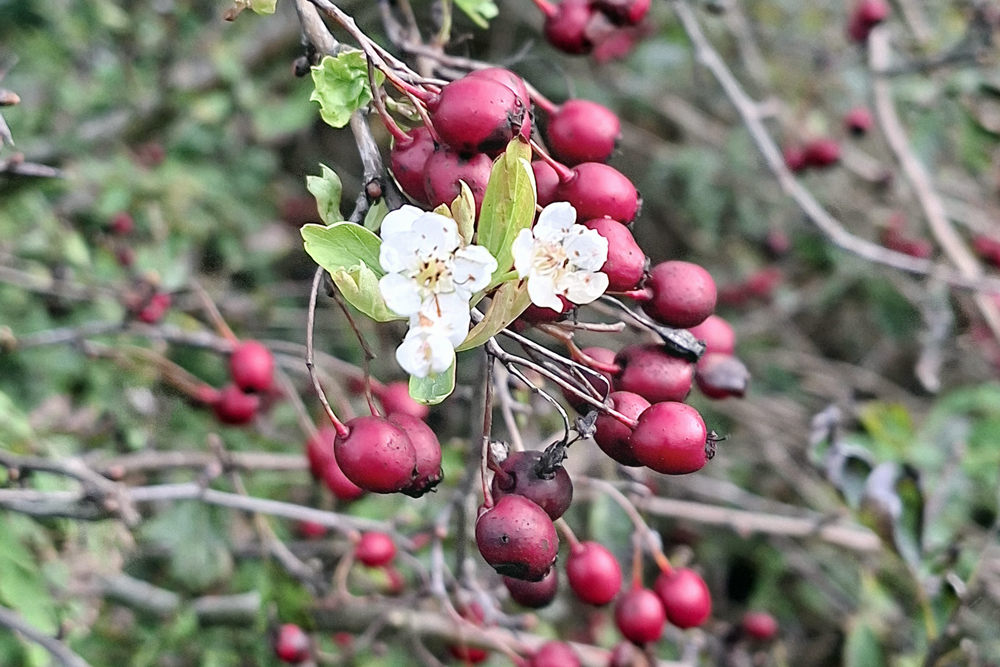
Whilst awaiting the start of the walk, as ever a fingertip investigation of the parking area/entry point netted the first records of the day with a Hoof Fungus. White Dead-nettle was still in flower and we were being entertained by a tuneful Robin with its autumn song. Examination of the hedge rows revealed Buckthorn, Blackthorn and Hawthorn – the latter two showing flowers as well as plentiful fruits included large numbers of Sloe’s.
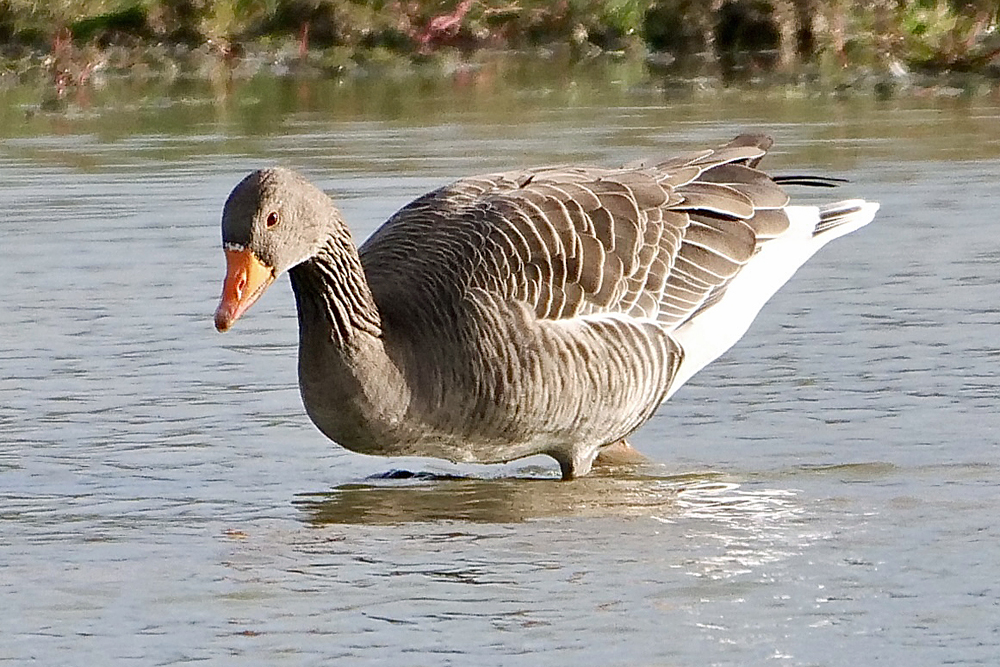
Overhead large numbers of Woodpigeon were replaced by our first sight of Starlings – 30-40 on this occasion. On the edges of the first lagoon was Mute Swan, Black-headed Gulls, and plentiful Greylag Geese patrolling the muddy edges of the low-water line.
Feeding on the field, shared by some Longhorn cattle, were Crow, Rook and Jackdaw. Member’s eyes continued to sweep the hedgerow and ground noting plants such as Mugwort and Watercress amongst the recently trimmed grassy rides.
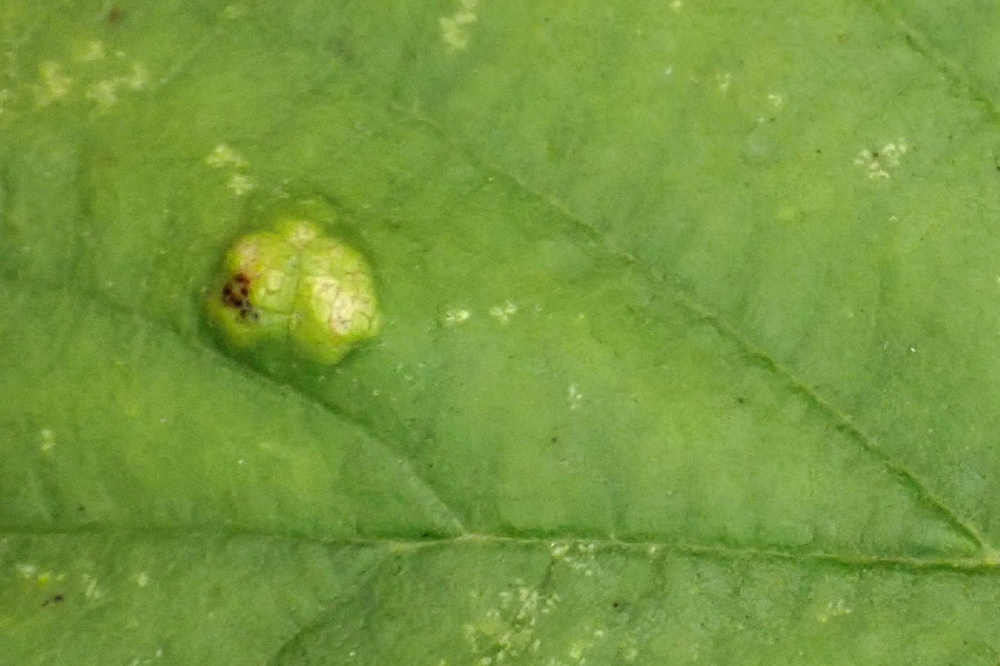
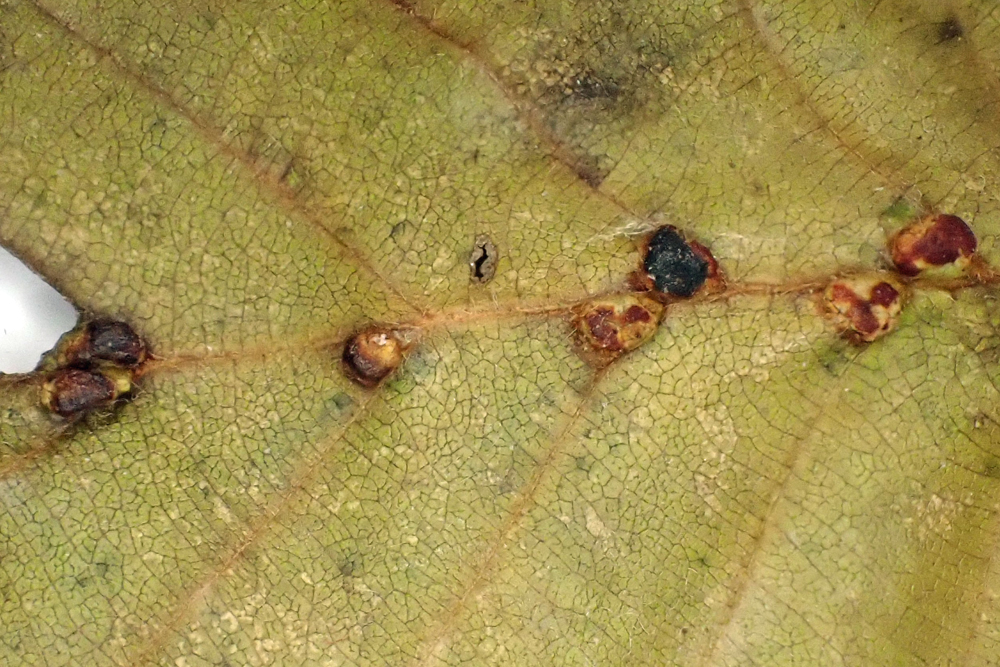
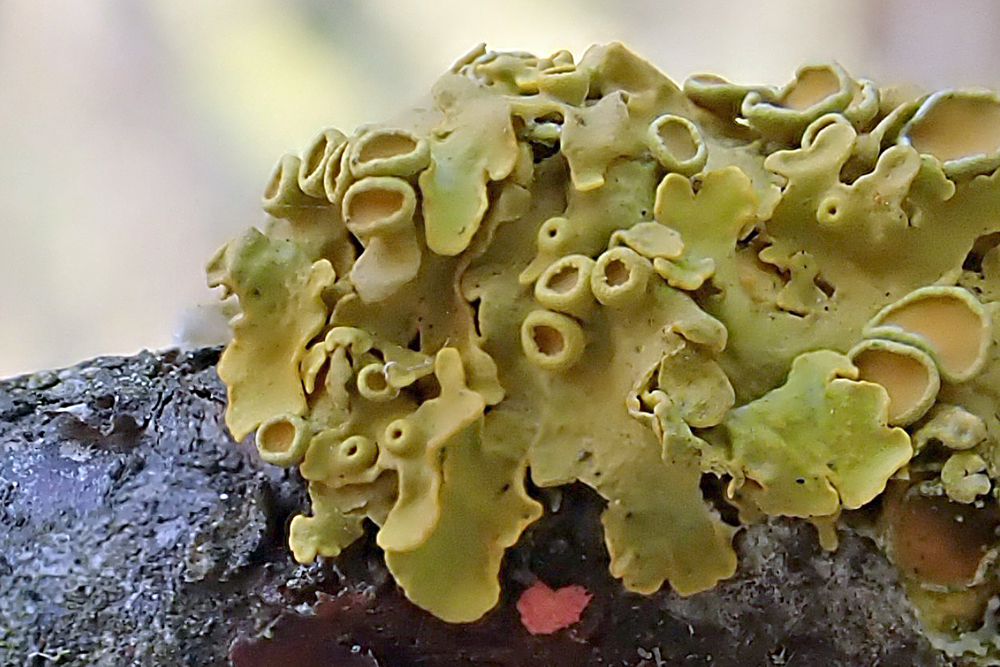
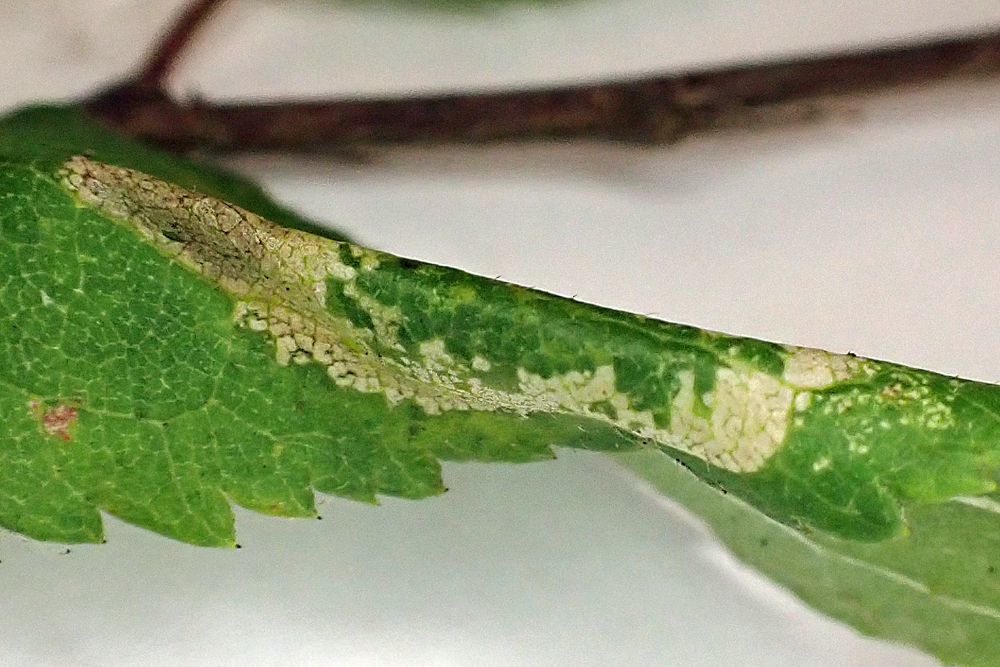
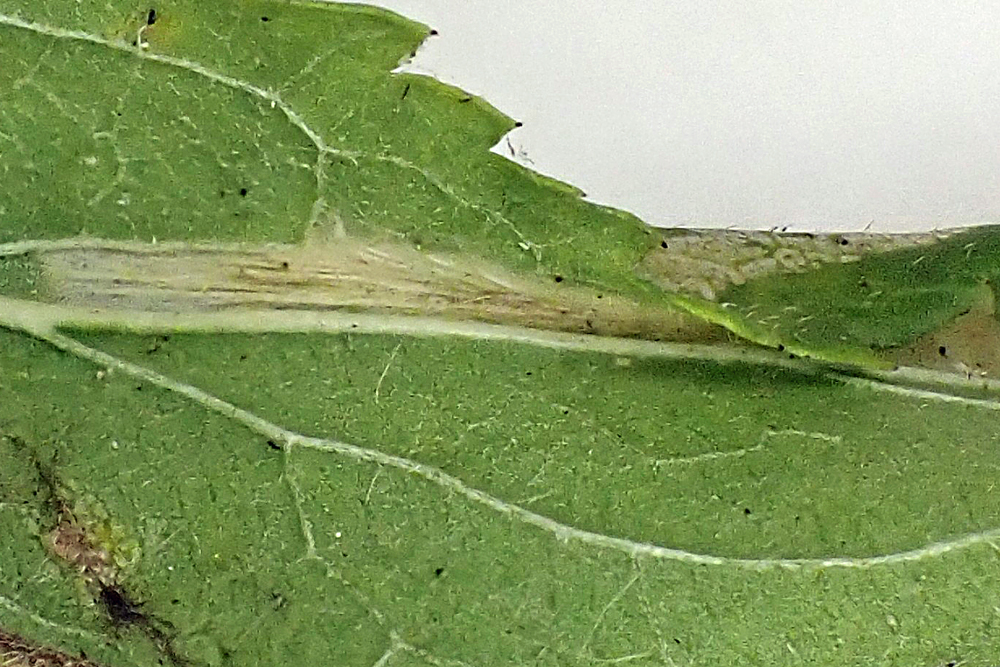
Hazel’s knowledge of plant galls and their causers was utilized not only for our benefit but also in anticipation of a display at DANES, the Derbyshire and Nottinghamshire Entomological Exhibition day, meeting on the following Saturday. Galls identified during the morning were Willow Redgall Euura proxima, the rosette shaped gall caused by the midge Rabdophaga strobilina/rosaria agg. and mite galls caused by Aculus tetanothrix, all on narrow-leaved willows. The mite galls Acalitus brebitarsus and Eriophyes inangulis were found on Alder leaves. Finding many galls was difficult because most leaves had dropped. Also identified were two leaf mines, the fly mine Agromyza nana on Red Clover leaves and the moth mine Sloe Midget Phyllonorycter spinicolella on Blackthorn leaves. A tiny speck of the lichenicolous fungus Illosporiopsis christiansenii was found amongst lichens including Xanthoria parietina on a hawthorn twig in the hedge.



The audible call of a Green Woodpecker drifted across the fields shortly before a family of five Mute Swan serenely swept by on the river with a Grey Heron overhead. Records, both visual and audible, continued to accumulate. As the sun broke through the clouds the first of four surprises from the Lepidoptera taxa alighted from various bits of vegetation: a Red Admiral, was followed later by singles of Holly Blue, Brimstone and Speckled Wood. A single Skylark seem to be rejoicing with its own beautiful song. On the final visible lagoon, a raft of birds came under scrutiny, mainly more Black-headed Gulls along with three Common Gulls – identified by their slightly larger body mass and pale-yellow legs. Tucked behind them (out of the wind no doubt) some 15-20 Lapwings hunkering down to keep warm. Two facts about Lapwings – sometimes known as Peewits due to the sound of their call is quite well known, but I also learnt that the name ‘Lapwing’ relates to the way they fly – zigzagging through the skies. Perhaps the only dark cloud on this report is the Lapwing conservation status has declined by at least 55% since the 1960s.
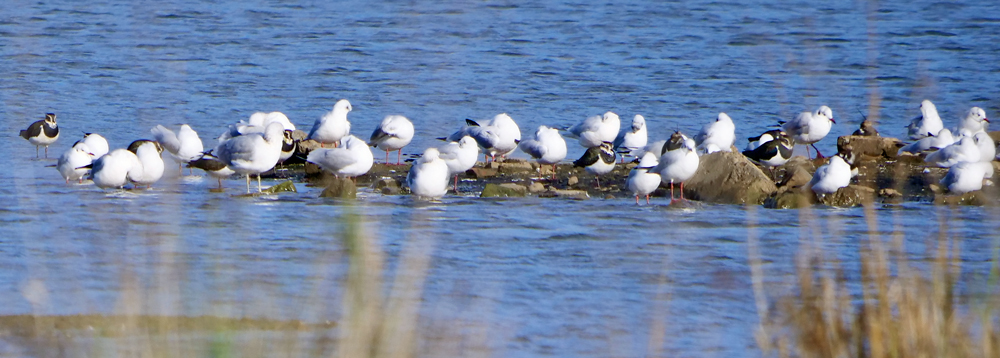
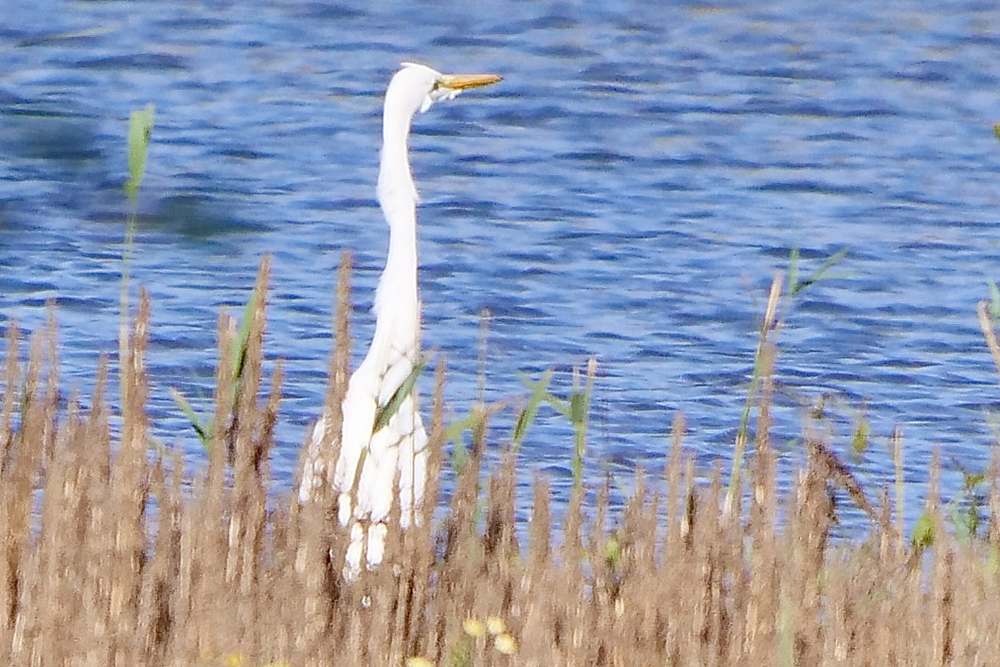
Additional records were a Shoveler, along with a handful of Mallard, a Great White Egret and the lovely brief surprise of an audible record of Water Rail.
As we reached the turn back onto the gravelled roadway and thoughts of lunch, more airborne birds reached the final page of notes including no fewer than three Great Spotted Woodpeckers. A small flock of Blue and Great Tits, with Goldcrest and Goldfinch swarmed through low branches and large bramble patches searching for autumn’s still plentiful bounty.
Kate Moore did a quick detour before we had returned to our cars, and added Song Thrush, Common Sandpiper, Pied Wagtail, Teal and Coot to finish off the day’s recording.
Thanks to all club Members present.
Margaret McLoughlin