Field Trip Eyebrook Reservoir
Field Outing Report from 3 December 2025 – Eyebrook Reservoir
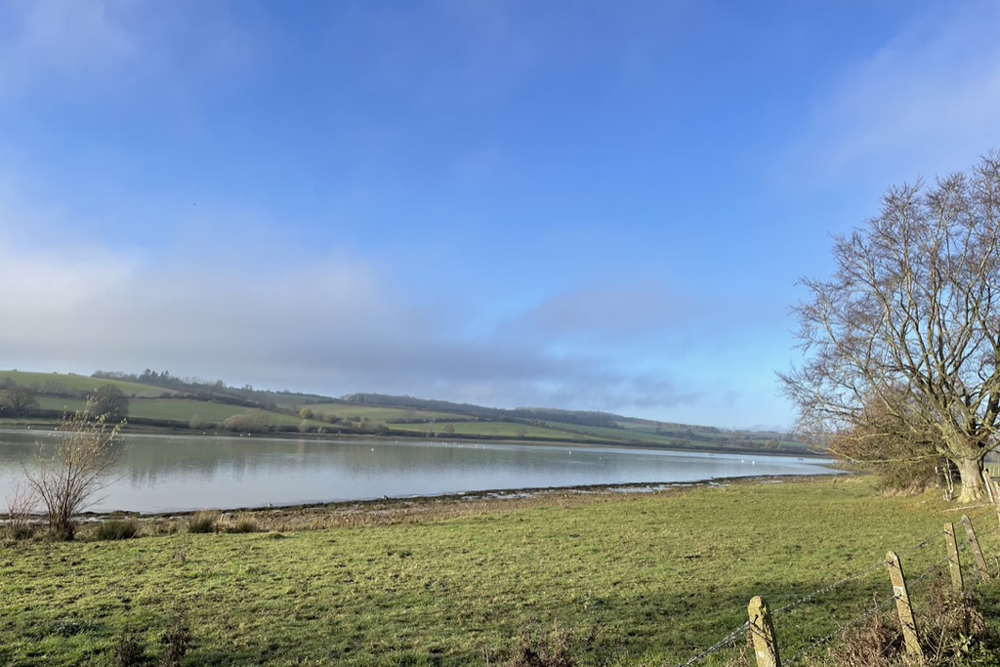
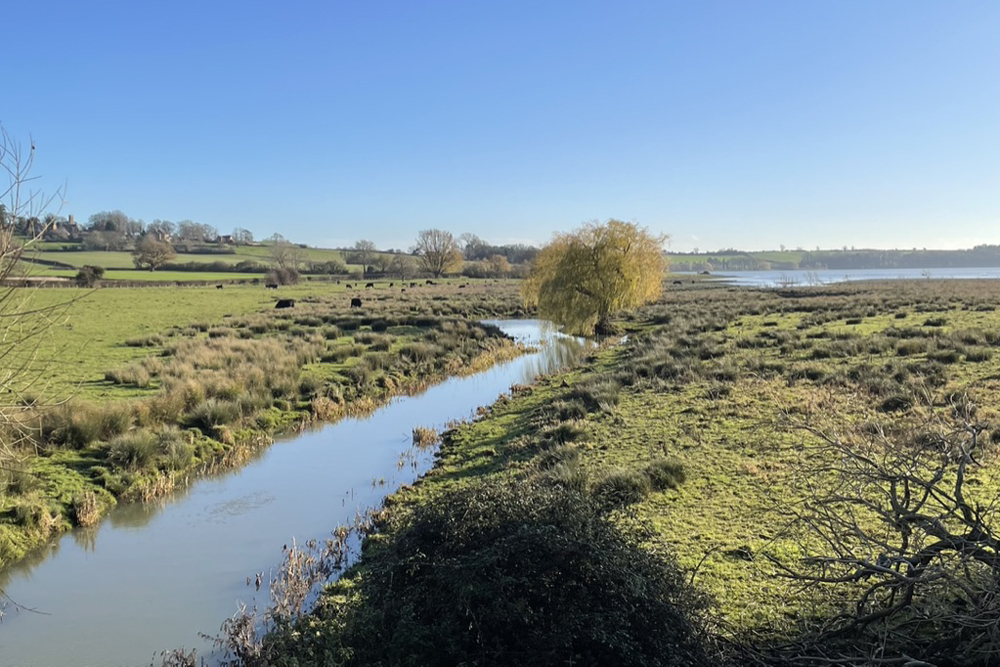
Eyebrook Reservoir from the bridge © Sue Graham
Our group set out unsure how the morning would unfold as the first substantial fog of winter threatened to abort this trip before it even began. In the event however, our arrival at the shores of Eyebrook Reservoir was greeted by a retreating veil of ethereal mist, eventually revealing the beautiful surroundings in glorious sunshine. The stillness of the morning was stunning, infiltrated only by the excitable calls of Wigeon and Teal on the water and a Song Thrush singing from a nearby tree.
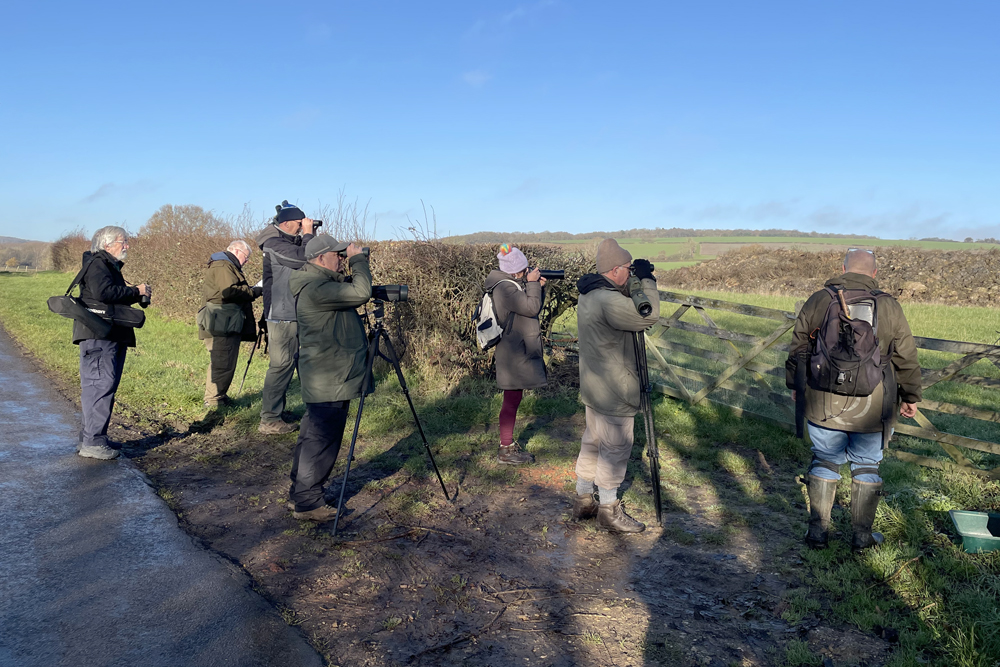
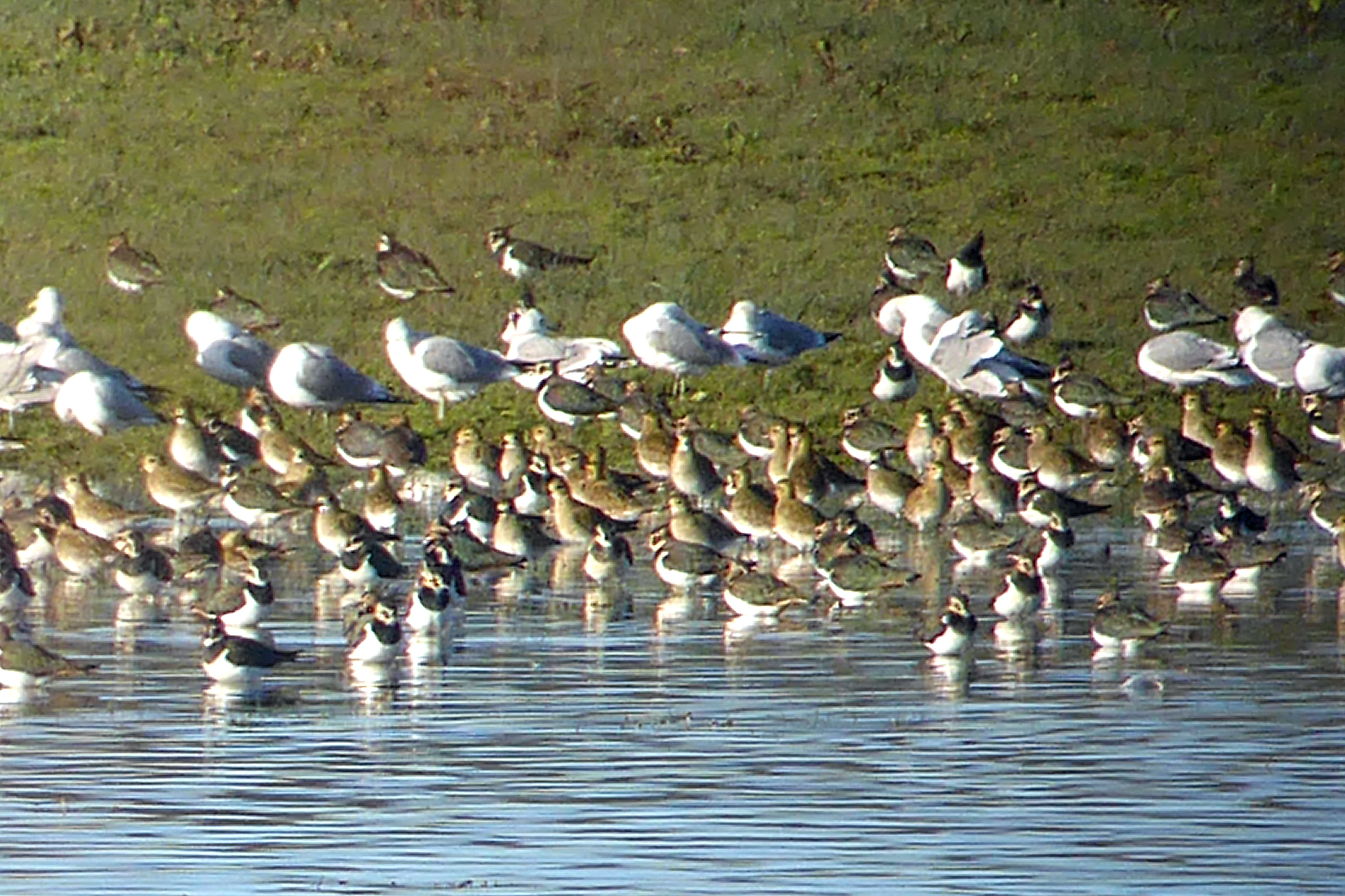
As our eyes adjusted to the bright sunlight, rafts of Mute Swan, accompanied by Black-headed Gull, Goldeneye, Tufted Duck, Mallard, Pochard, Great Crested Grebe, Coot and Pintail could be discerned, floating peacefully on the calm waters. Lapwing, Grey and Pied Wagtail and Egyptian Geese foraged at the marshy margins and on the opposite hillside, a flock of 60+ Greylag Geese grazed on the lush green pasture. A small group of Red-legged Partridge were observed in the same vicinity.
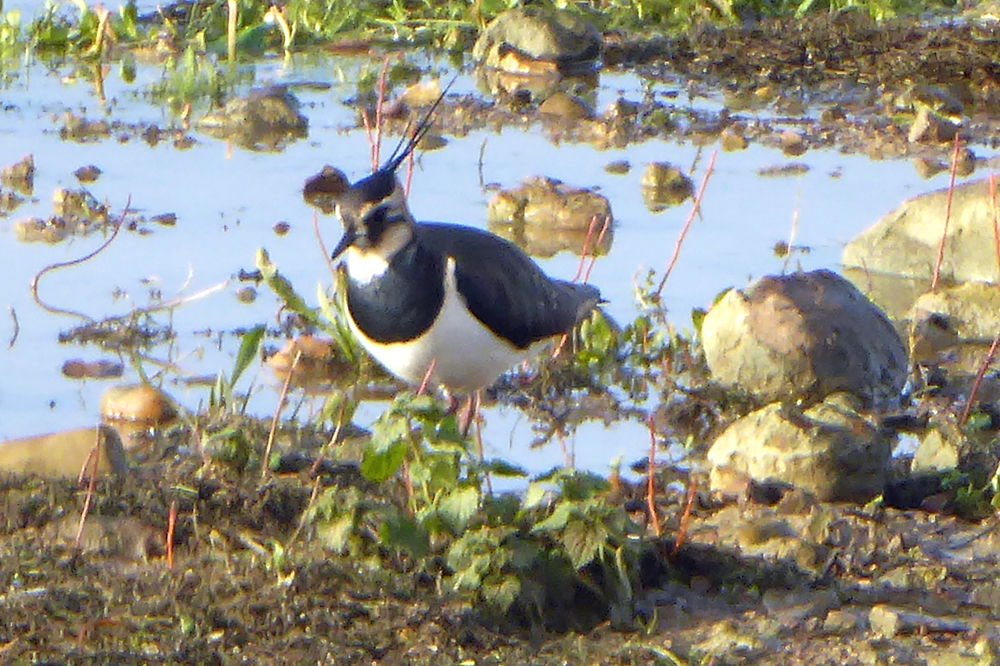
The characteristic deep, cronking call of Raven got us all looking skywards, where it wasn’t long before we spotted our first Red Kite circling lazily before it landed in a hedgerow tree. Gradually, more Red Kites came into view, and we must have counted at least six individuals over the duration of the trip.
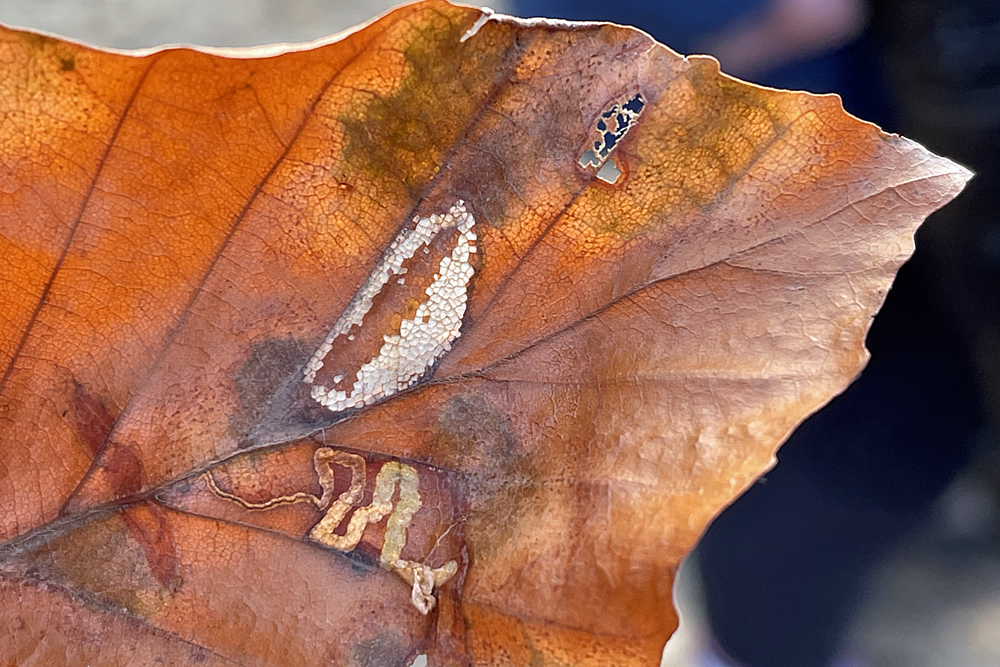
At this point, we had moved no more than a dozen paces from the small car parking area south of Stoke Dry and had been treated to a wide range of good quality bird sightings. Meanwhile Graham had been busy investigating the nearby vegetation for signs of insect life. A single Beech tree leaf yielded two mines, namely those of the moths Beech Leaf-miner Phyllonorycter maesringella and Small Beech Dot Stigmella tityrella. Further moth mines were found along our route on the leaves of Blackthorn, Bramble and Hawthorn, while ground litter and moss were sieved and various trees beaten including Salix, Hawthorn, and Oak, producing several varieties of beetle, including 7-spot and Harlequin Ladybirds. Notiophilus biguttatus, a carnivorous beetle which preys on springtails and mites in leaf litter with distinctive, bulbous eyes; Tachyporus hypnorum, a tear-shaped black beetle with red elytra, which feeds particularly on aphids and other small invertebrates; Rhamphus oxyacanthae, a small black weevil which is only found occasionally in VC55, the larvae of which mine Hawthorn leaves and other members of the Rosaceae family, and the tiny scavenger beetle Cartodere bifasciata with golden-brown elytra marked with darker dots were amongst Graham’s findings for the trip. His complete list appears at the end of this report.
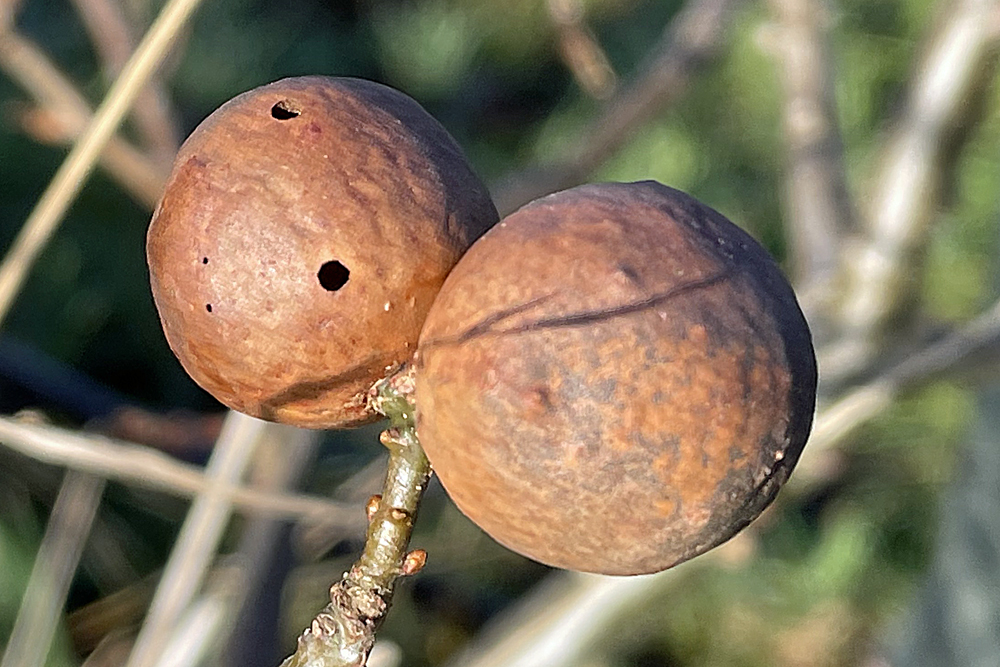
Moving a little further north-west along the perimeter road towards the reservoir inlet, a tiny oak sapling bore several Marble Gall with exit holes, indicating that the occupying species of gall wasp Andricus kollari had long departed.
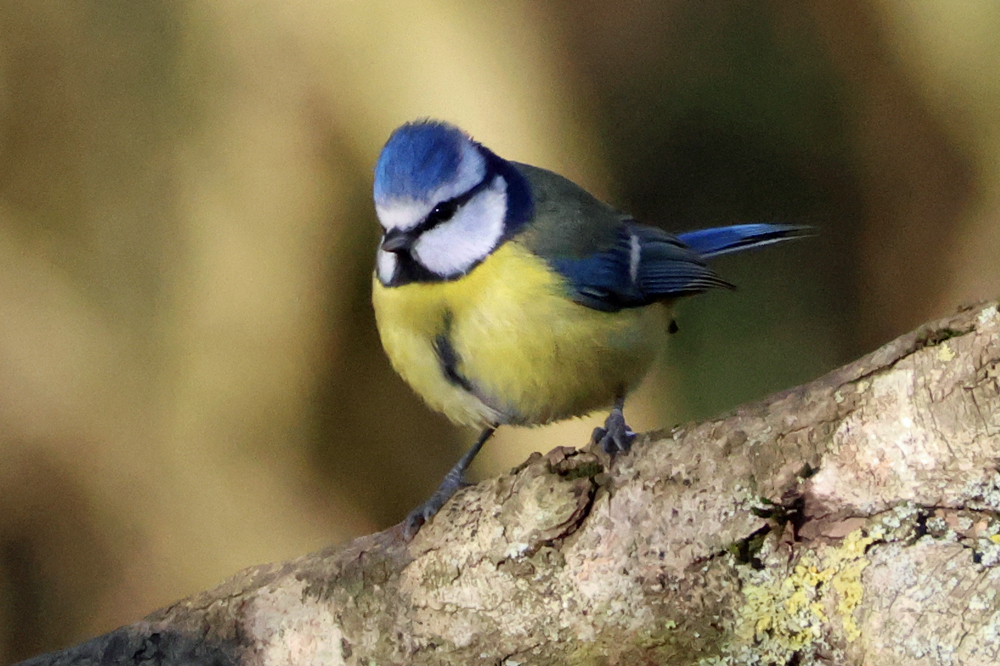
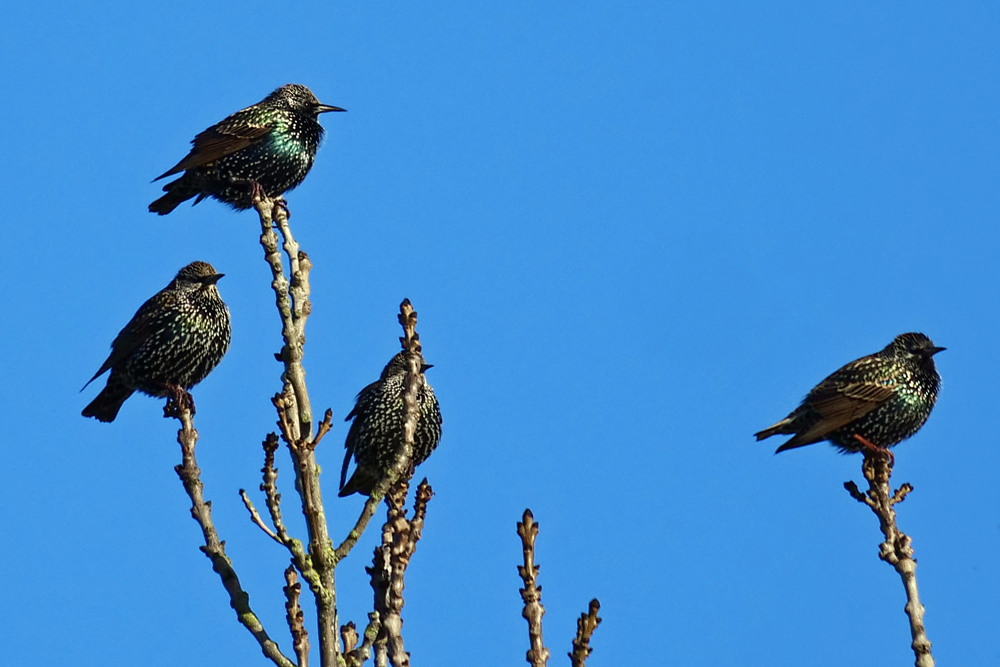
The hedges bordering the road were laden with hips and hawes, glowing bright red in the sunshine. Dunnock, Wren, Blue Tit and Robin were noted here, almost in full spring song(!), weaving their way through the tangles of branches. The fields to the north of the road produced Yellowhammer, Rook, Linnet, Common Gull, Stock Dove and Cormorant flying across and even a Magpie hitching a ride on the back of one of the resident sheep! Closer inspection of the hedgerow on the far side of these fields revealed a small number of Redwing and Starling, with plumage resplendent in the bright light.
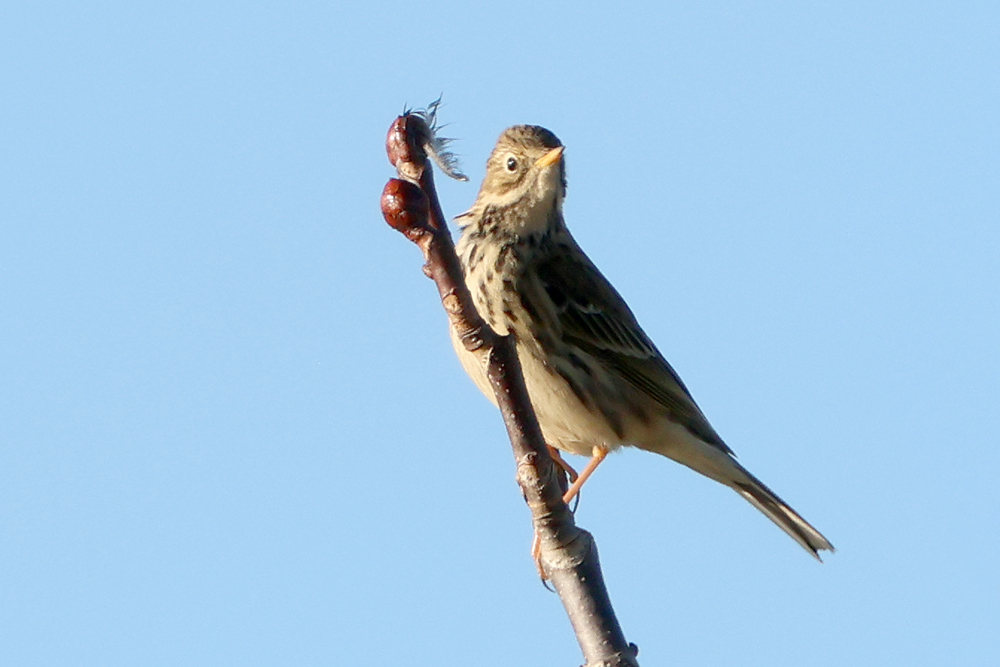
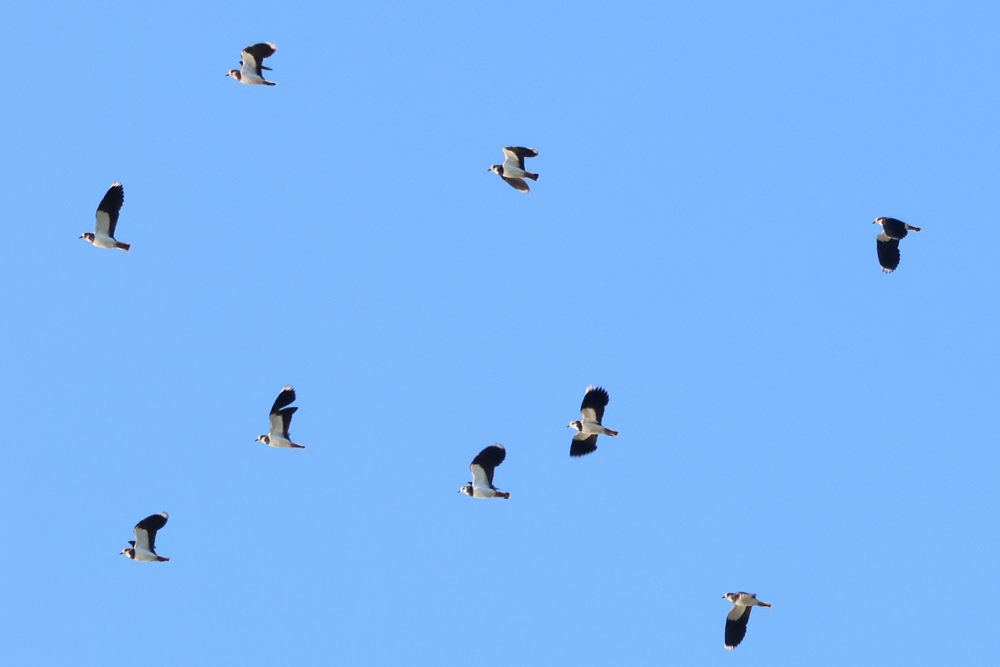
Further along still, our attention reverted back to the reservoir where the spectacle of a mixed flock of 500+ Lapwing, 200+ Golden Plover and 13 Dunlin suddenly taking to the air and swirling overhead, in response to a low-flying Buzzard was truly captivating. Our very own murmuration! Kestrel, Grey Heron, three Little Egrets, Canada Goose, Meadow Pipit, Skylark, Fieldfare, Coaltit, Blackbird and Stonechat were added to our list of observations as we proceeded past a beautiful roadside Pedunculate Oak towards the bridge over the inlet. Several animal runs could be seen disappearing into the hedgerow and of course, no LNC trip would be complete without the ubiquitous Molehill, present in large numbers along the grass verges and in the surrounding fields.
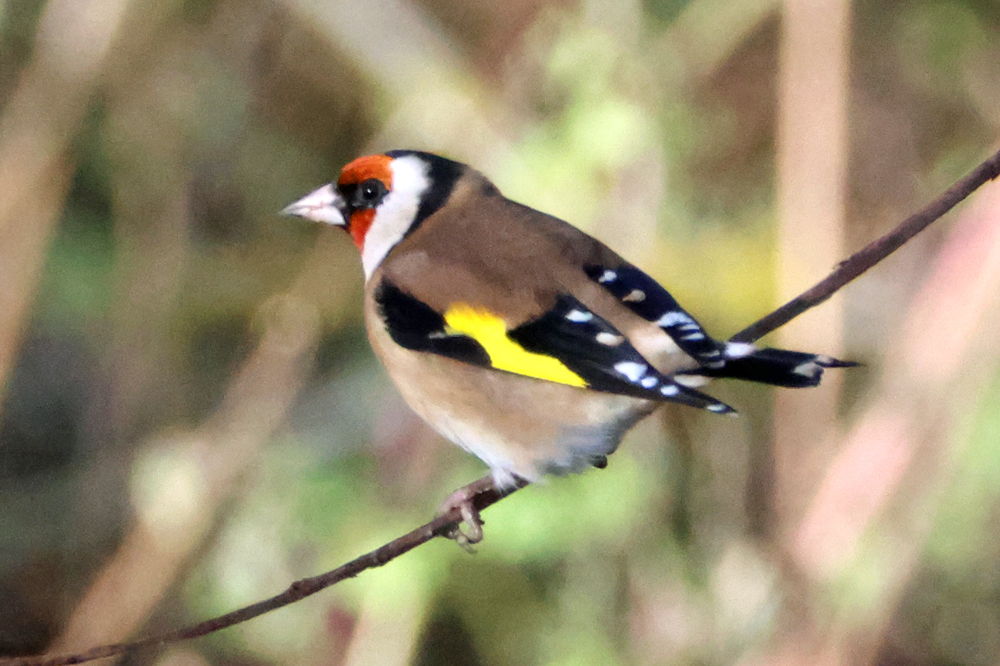
We stopped briefly to admire two Wellingtonia tree specimens before arriving at the bridge – the area that Hazel had been particularly looking forward to for the variety of established mosses and lichens on the stonework. Here, the white trunks of Silver Birch shone between the fluttering leaves of Aspen and the catkin-laden Alders, while Siskin, Goldfinch, Coal Tit and Great Spotted Woodpecker frequented the feeders below.
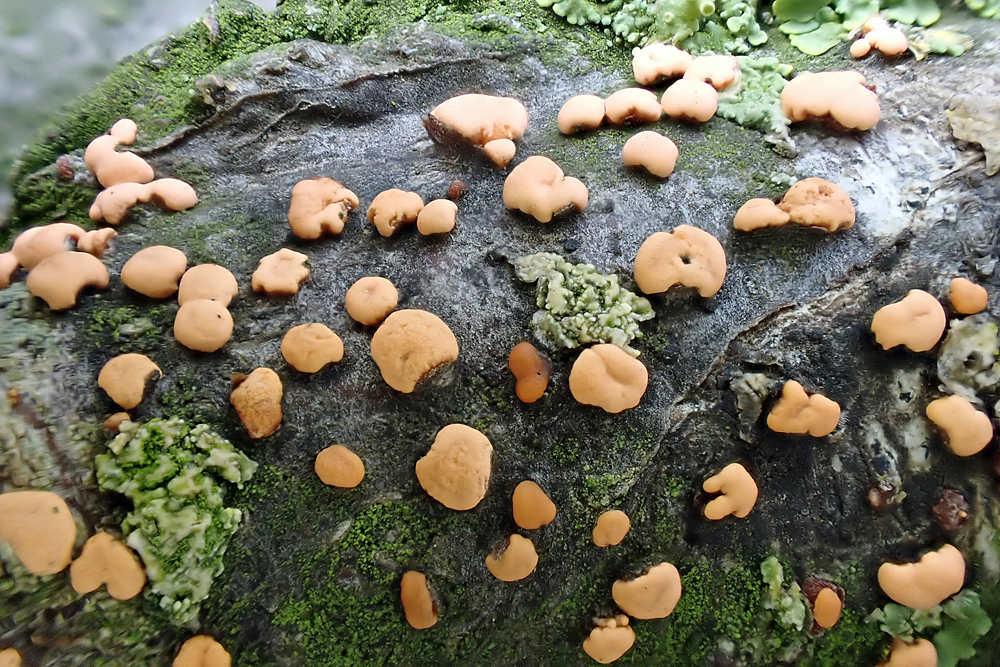
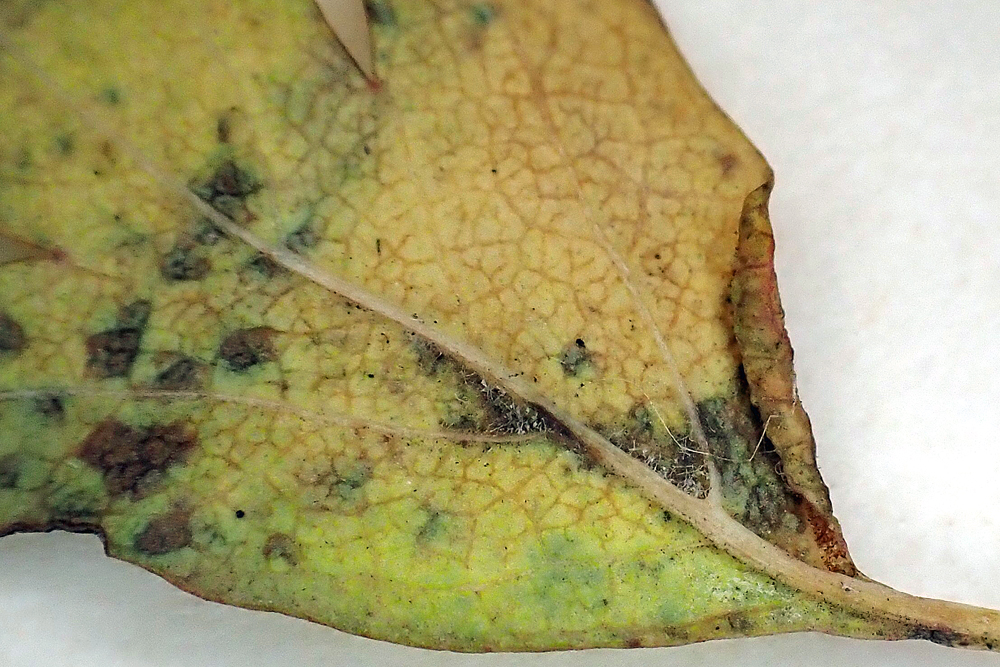
Lichens identified included Netted Shield Lichen Parmalia sulcata, Cartilage Lichen Ramalina farinacea, Lecanora campestris and Coral Spot Nectria cinnabarina. Mosses included the familiar Grey-cushioned Grimmia Grimmia pulvinata and Wall Screw-moss Tortula muralis. More leaf mines were also noted, including Phytomyza chaerophylli and Phyllocoptes goniothorax, a gall mite causing leaf roll on the edges of Hawthorn leaves.
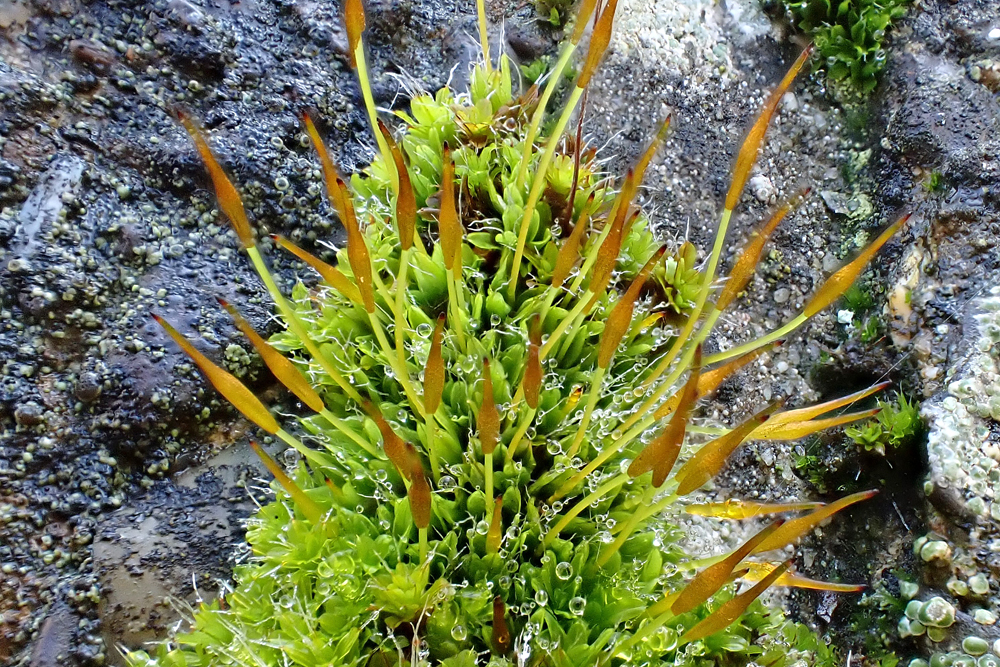
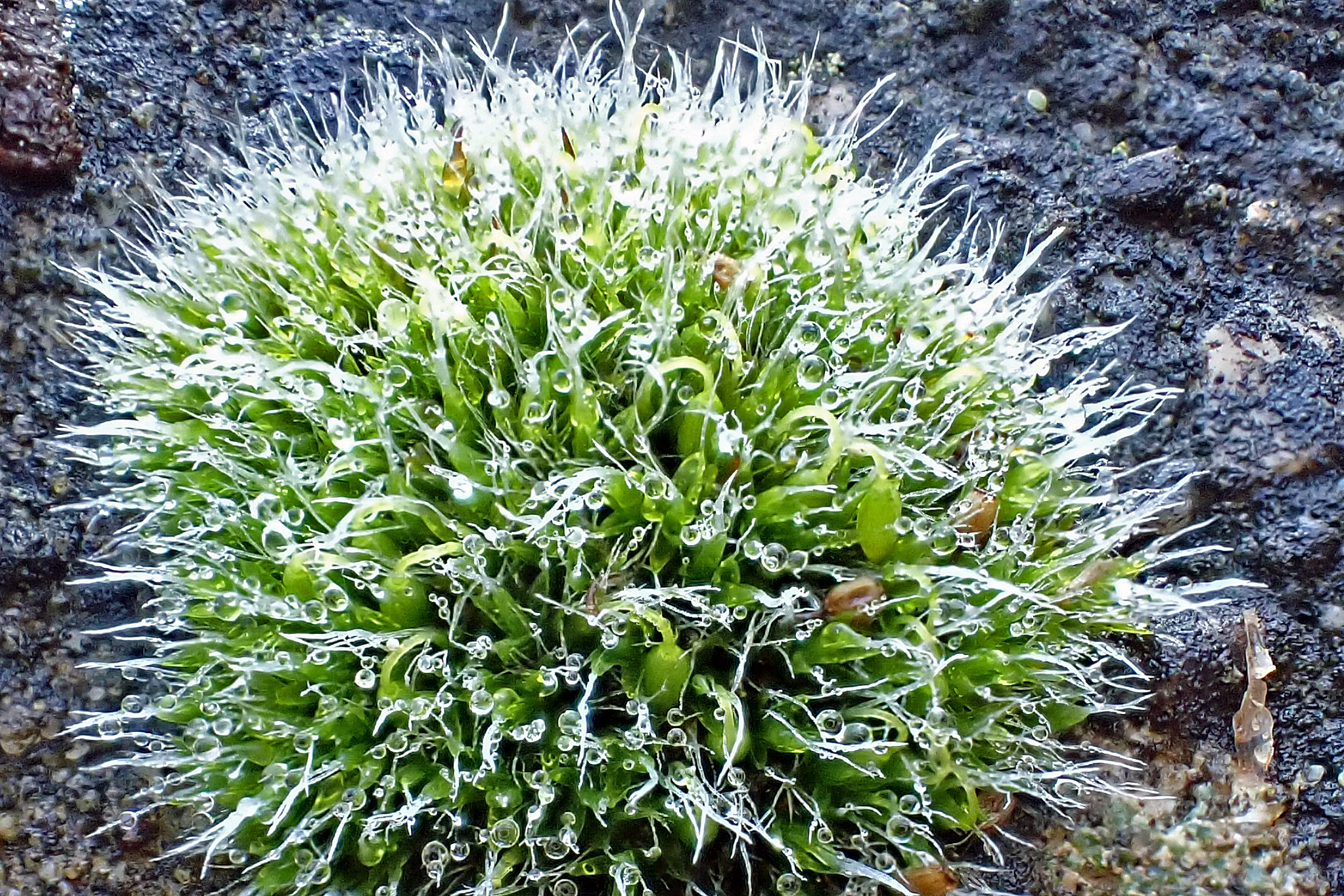
Sadly, time had caught up with us and having taken nearly three hours to reach the bridge(!), we made tracks back to base before enjoying an excellent pre-booked meal at the Orchard Café, Uppingham Garden Centre. This turned out to be a fine recommendation from Steve and a great lunch was enjoyed by all.
Our thanks go in particular to Steve, Hazel and Graham for sharing their knowledge and expertise, for the great company of all participants and to Jim and Sue for leading the trip.
Sue Graham
List of Beetles and Leaf Miners identified by Graham Finch:
| Beetles | |
| Notiophilus biguttatus | |
| Calodromius spilotus | |
| Tachyporus hypnorum | |
| Tachyporus nitidulus | |
| Tachyporus obtusus | |
| Coccinella septempunctata | 7-spot Ladybird |
| Harmonia axyridis | Harlequin Ladybird |
| Cartodere bifasciata | |
| Crepidodera plutus | |
| Rhamphus oxyacanthae | |
| Leaf-miner Moths | |
| Stigmella tityrella | Small Beech Dot |
| Stigmella plagicolella | Blue-shot Dot |
| Stigmella aurella | Golden Dot |
| Coptotriche marginea | Bramble Blotch-miner |
| Phyllonorycter messaniella | Ilex Leaf-miner |
| Phyllonorycter oxyacanthae | Common Thorn Leaf-miner |
| Phyllonorycter maestingella | Beech Leaf-miner |
List of Lichen and Mosses identified by Hazel Graves:
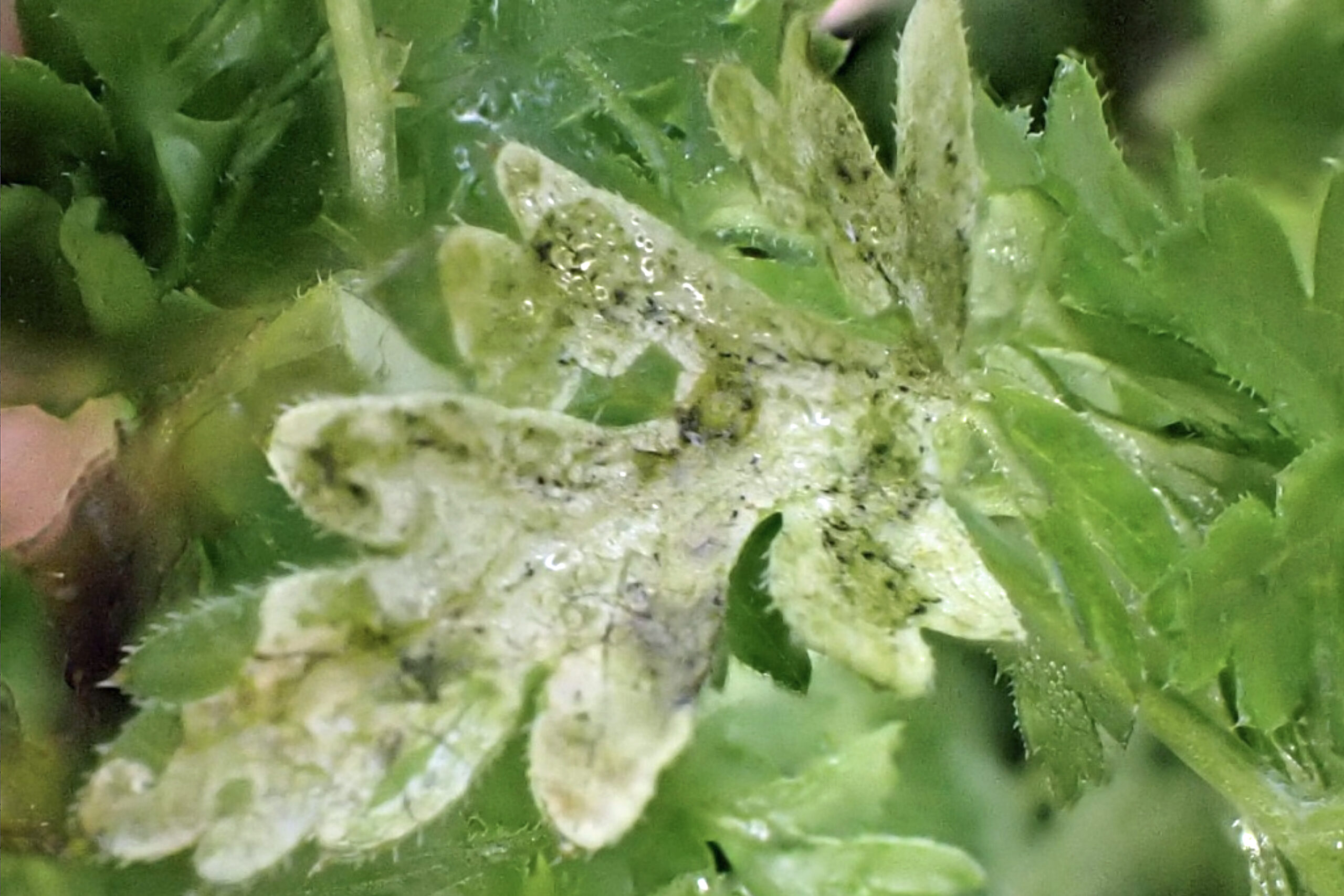
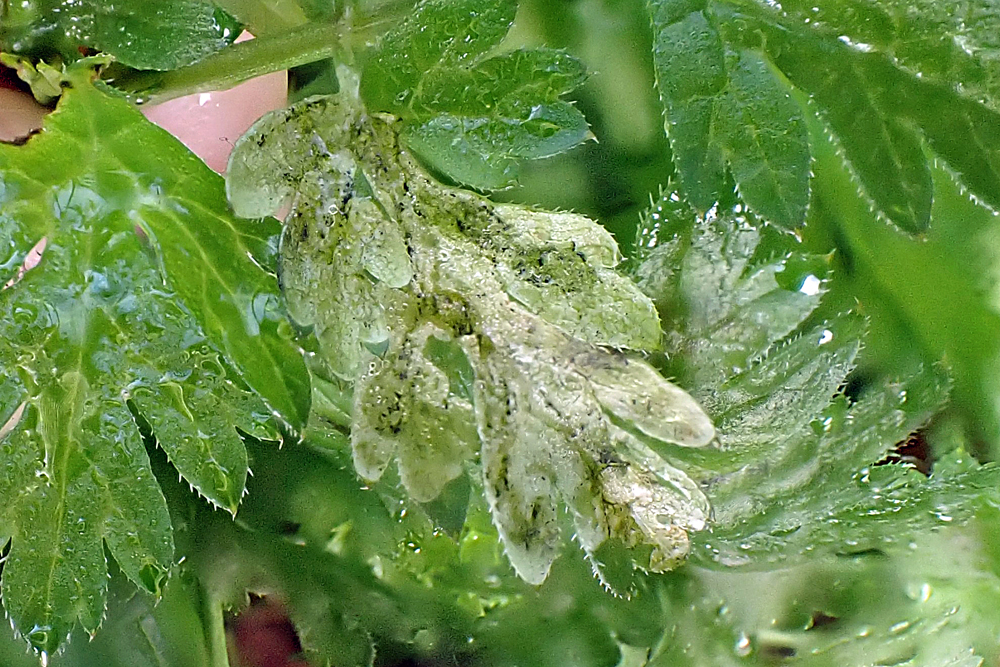
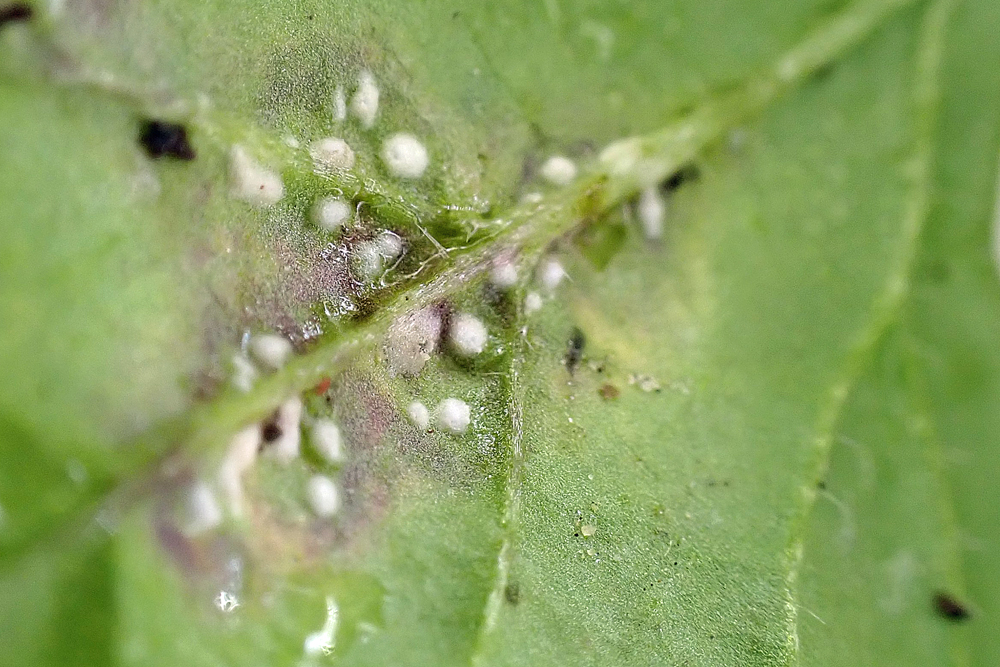
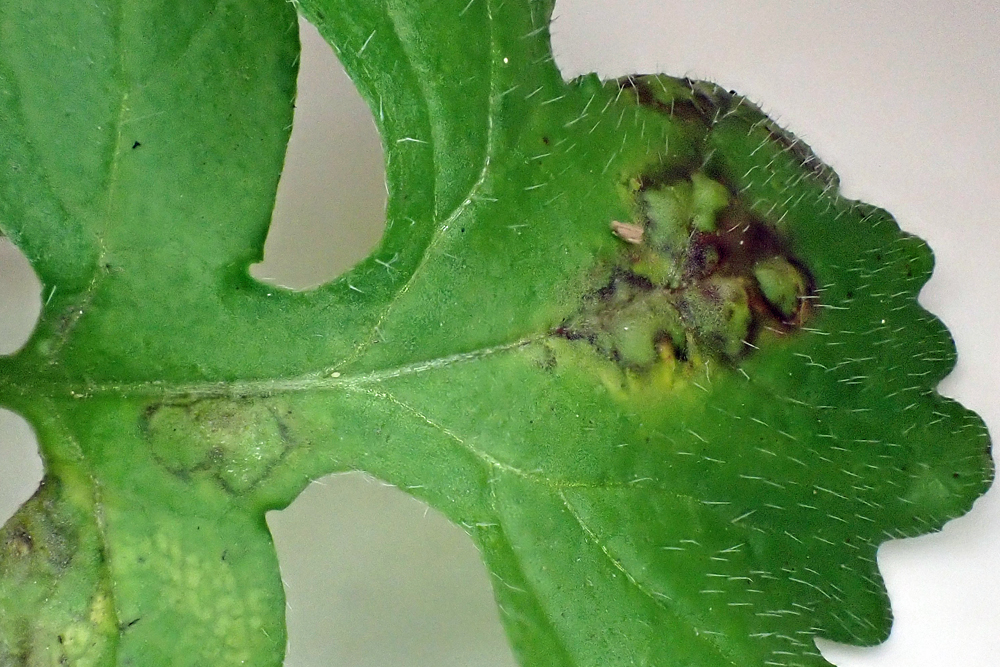
| Albugo candida s. lat. | Crucifer White Blister |
| Xanthoria parietina | Common Orange Lichen |
| Stigmella aurella | Golden Pigmy |
| Physcia adscendens | |
| Physcia tenella | |
| Parmelia sulcata | Netted Shield Lichen |
| Lecidella elaeochroma | |
| Lecanora chlarotera s. lat. | |
| Ramalina farinacea | Cartilage Lichen |
| Phyllocoptes goniothorax | |
| Lecanora campestris | |
| Punctelia subrudecta s. lat. | |
| Nectria cinnabarina | Coral Spot |
| Phytomyza chaerophylli |