Field Trip Poultney Farm
Field Outing Report from 1 July 2026 – Poultney Farm Ulverscroft, led by Margaret McLoughlin.
We were delighted to be invited by the land owner Kim Turner to visit her at Poultney Farm in the Ulverscroft Valley.
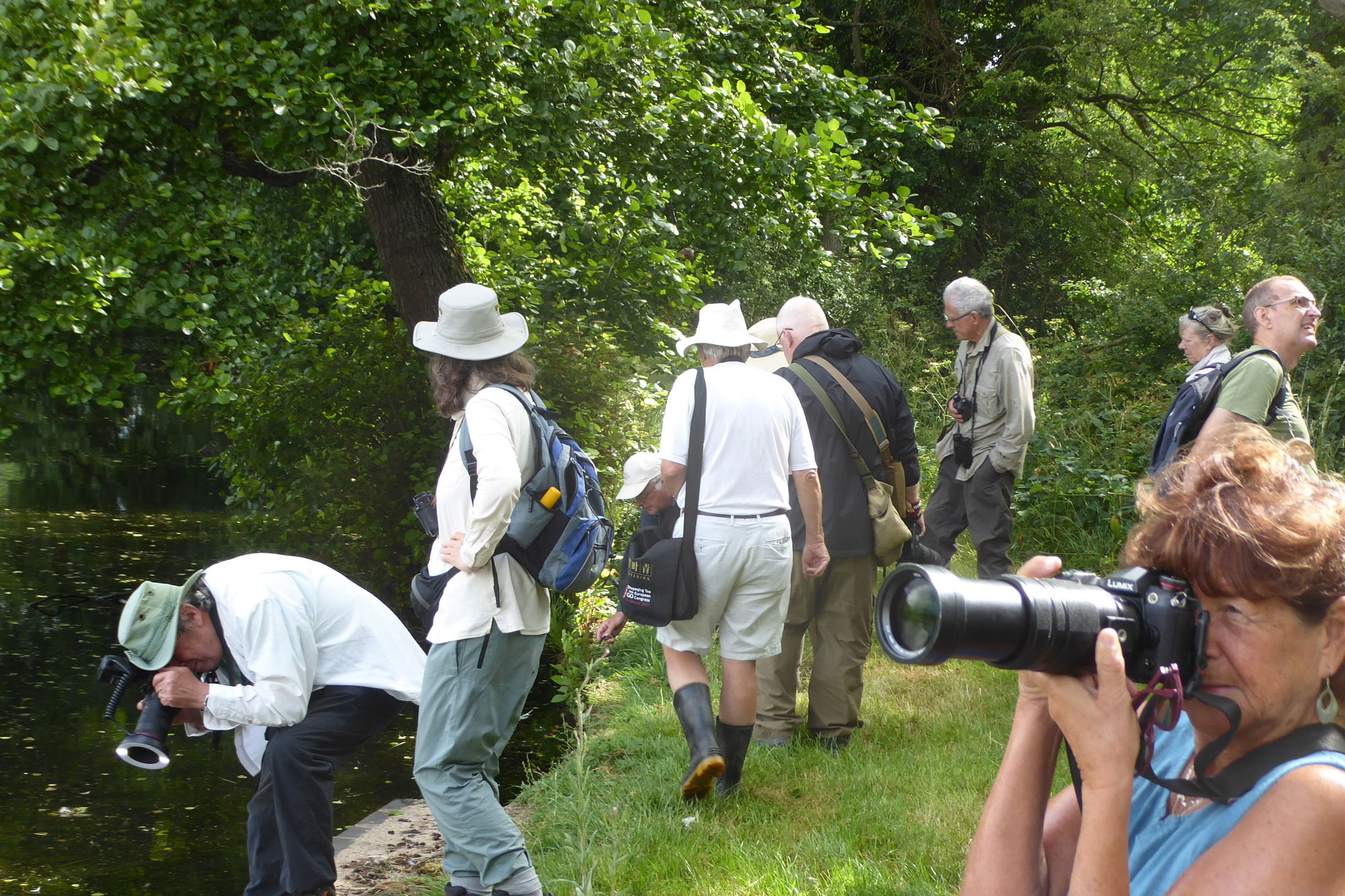
Steve Woodward, who knew the site well, led us around part of the site focussing on a lake which was wooded and served by steams emptying into and leaving the lake.
A family of Mute Swans with two adults and five cygnets seemed to take pleasure in pretty much ‘following us around’ as we began our circuit. If that was a good start they were pretty much instantly outshone by a single Hobby which took great delight in swooping down from one lofty perch to another whilst scooping up a number of dragonflies from off the top of the water. Plenty of other birds were seen. Swallow, large numbers of Mallard and then Coot, Carrion Crow, Red Kite, Buzzard, Chiffchaff, Wren, Blackbird and a Pied Wagtail plus the inevitable Woodpigeon.
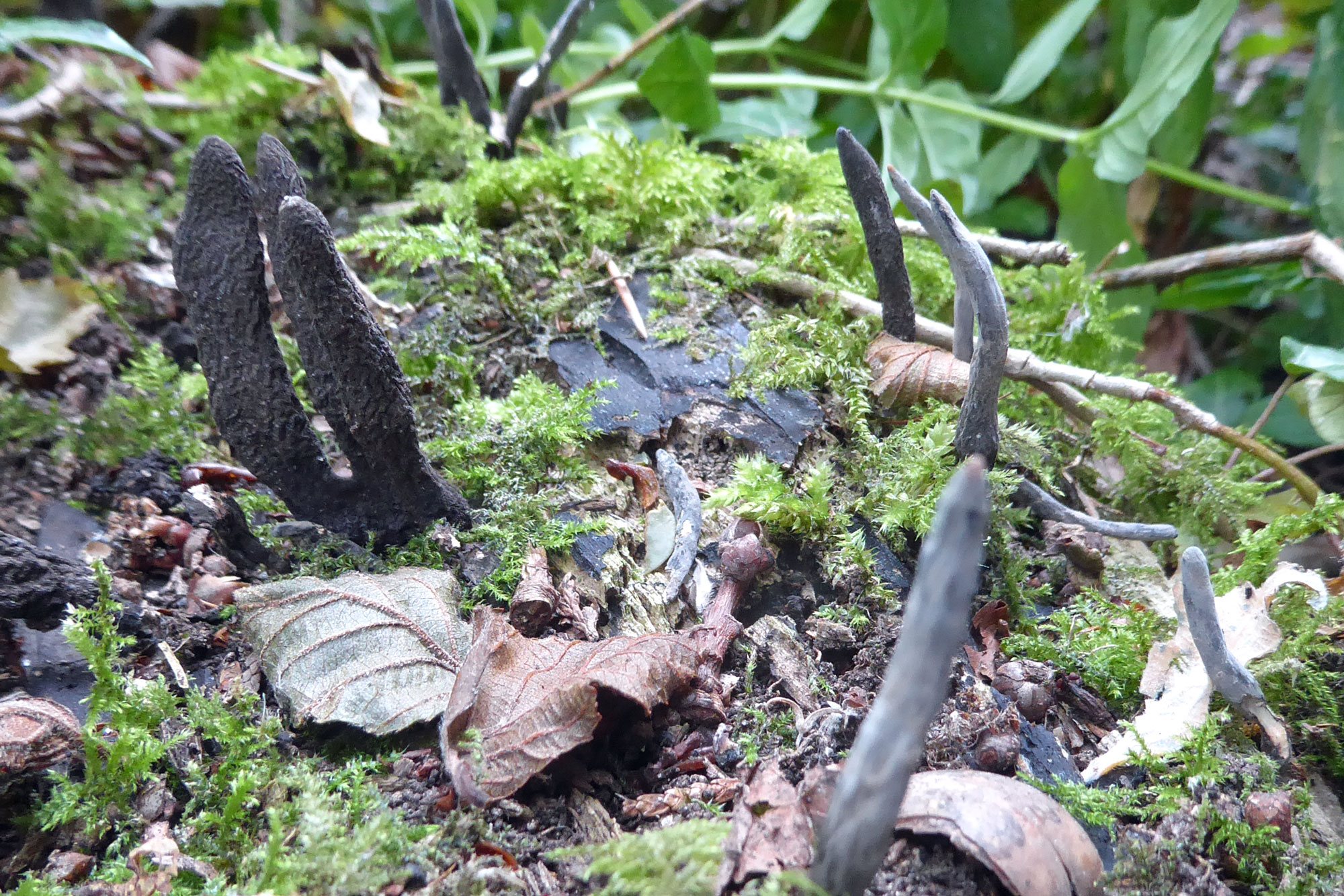
With the recent dry weather this writer thought that not much fungi would not recorded, but Philip Lee found several including, Beech Woodwart Hypoxylon fragiforme, Dead Moll’s Fingers Xylaria longipes, Rusty Porecrust Phellinus ferruginosus, Blushing Bracket Daedaleopsis confragosa, Pale Brittlestem Psathyrella candolleana, and I added Candlesnuff Fungus Xylaria hypoxylon and a single view of a Hoof Fungus Fomes fomentarius.
From the same member came some lichen records, Hammered Shield Lichen Parmelia Sulcata, Fringed Rosette Lichen Physcia tenella, Pincushion Sunburst Lichen Xanthoria polycarpa, Oakmoss Evernia prunastri, Rim Lichen Lecanora chlarotera, Lecidella Lichen Lecidella elaeochroma and Script Lichen Graphis scripta.
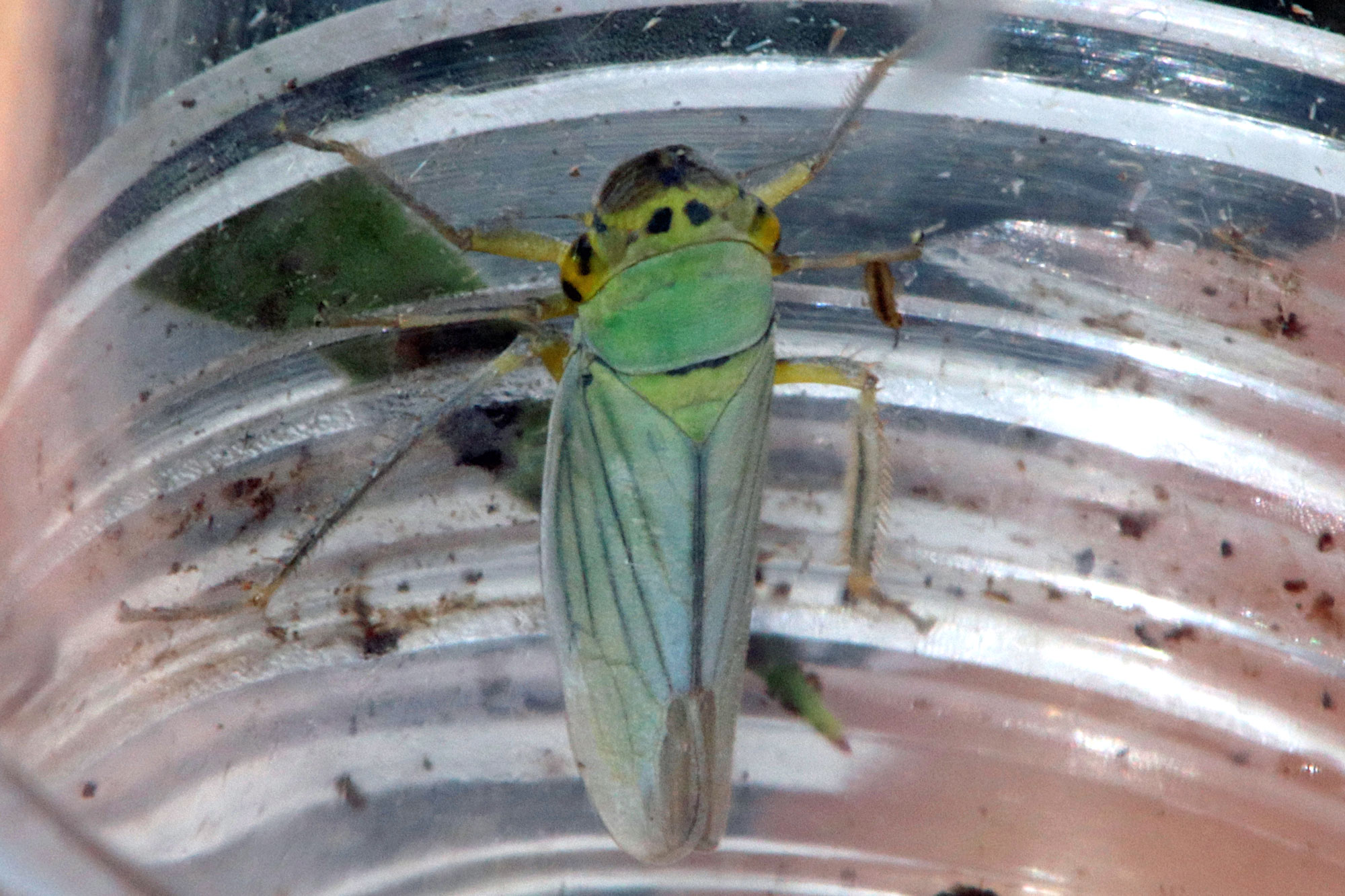
Mike Higgott added several other families of species with a Meadow Grasshopper Pseudochorthippus parallelus, Green Leaf-hopper Cicadella viridis, Cucumber Orb-weaver Spider Araniella cucurbitina sensu stricto and the much to be avoided Notch-horned Cleg Haematopota pluvialis, which attempted to latch on any unsuspecting member.
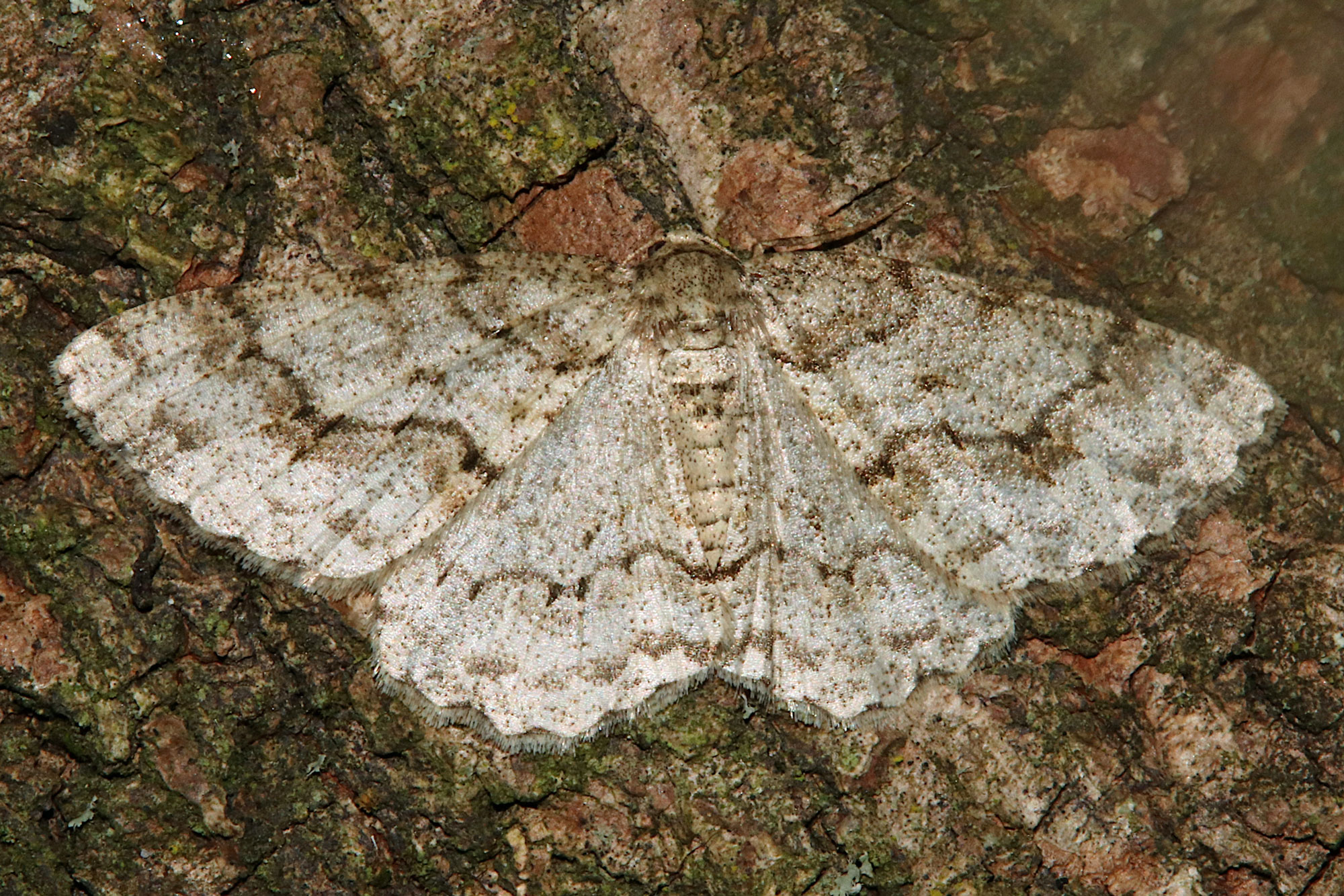
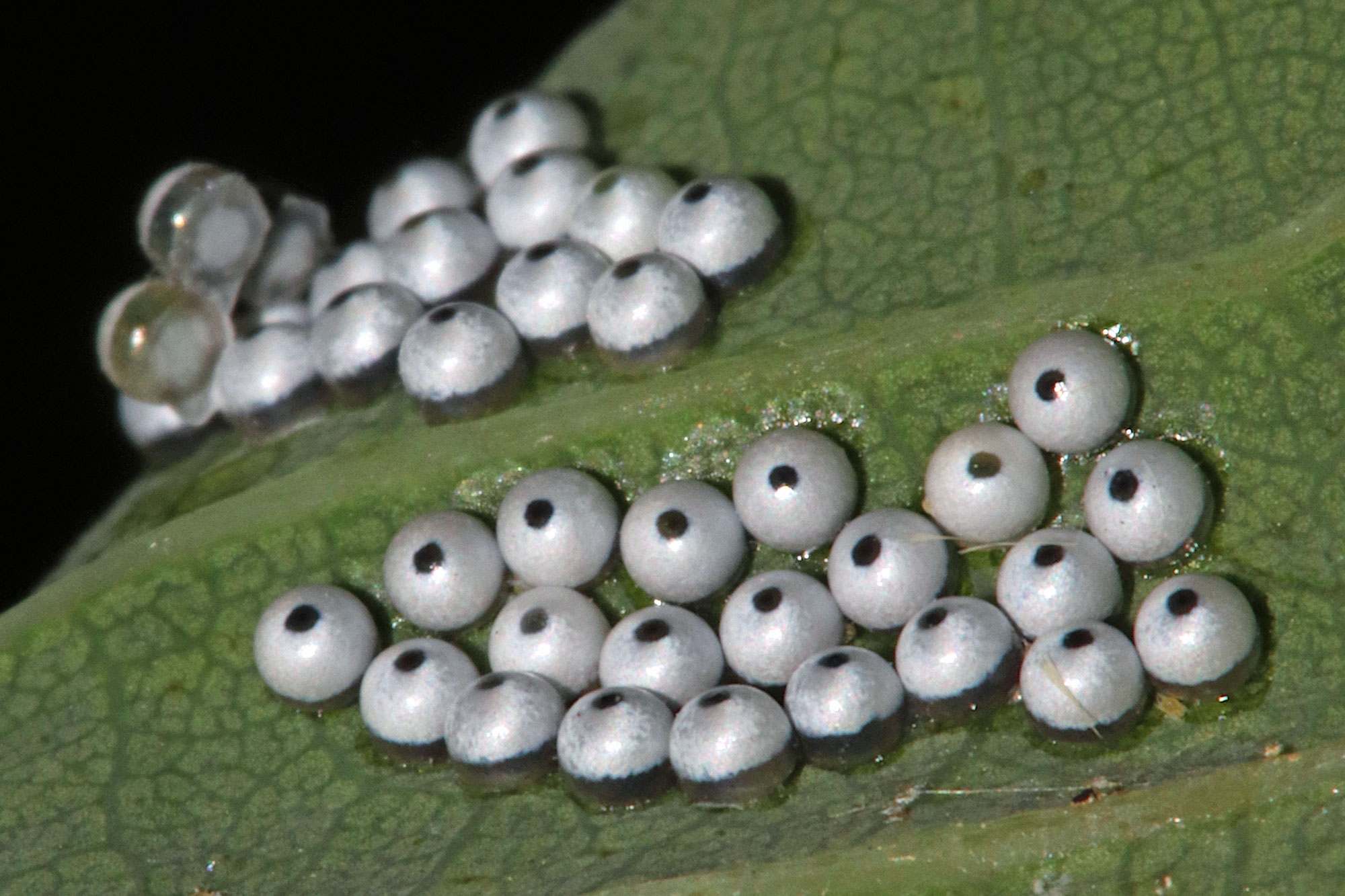
Eggs for the Buff-tip Moth Phalera bucephala, were found among the vegetation, a damp loving Ringed China-mark Parapoynx stratiotata was found in the grass, an Engrailed Moth Ectropis crepuscularia hiding in plain sight on a Silver Birch. Graham Finch added a further 12 Moth records from the evidence of leaf mines on various tree species.
Of the dragon- and damselflies not eaten up by the swooping Hobby were records of three species. Blue-tail Damselfly Ischnura elegans, Common Blue Damselfly Enallagma cyathigerum, and Emperor Dragonfly Anax imperator, along most of the sites watery edges.
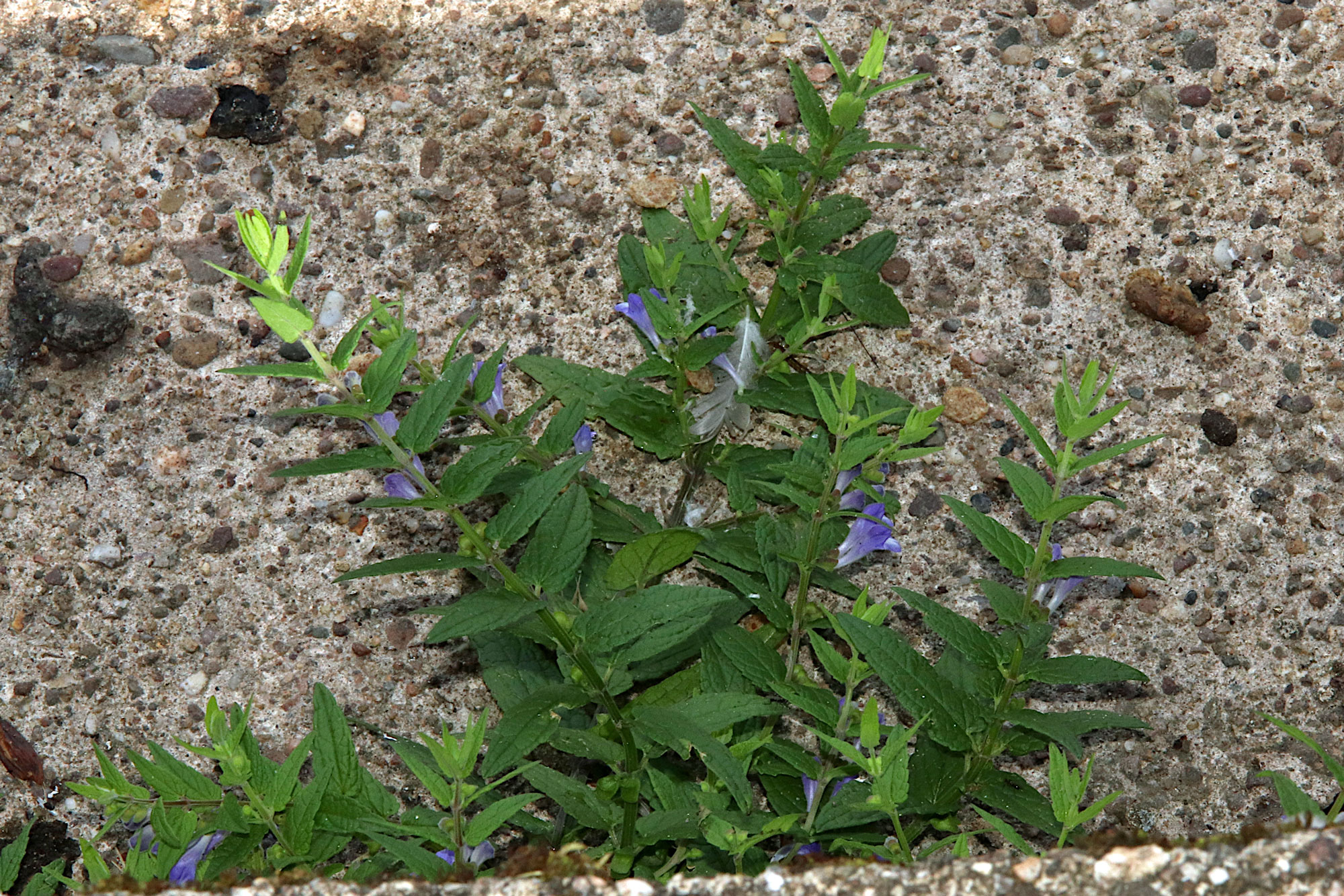
With over approximately 100 vascular plant records included, I could use up two additional pages of this report, all of which are unsurprising in this location. Common plants such as Yarrow, Common Mouse-ear, Greater Plantain, Shepherd’s Purse, Cat’s-ear, Knotgrass, Meadow Buttercup and Cock’s-foot Grass, Enchanters Nightshades with this violet fruits, Wood Speedwell, Wood Sorrel and Bittersweet. Perhaps less often seen were Yellow Pimpernel, Dog’s Mercury and despite an earlier sweep through by volunteers Himalayan Balsam.
Plants making use of the water or watery edges included Great Pond Sedge Carex riparia, Compact Rush Juncus conglomeratus, Brooklime Speedwell Veronica beccabunga, Soft-rush Juncus effusus and Remote Rush Carex remota.
Thanks to all Club Members present.
Margaret McLoughlin